Frank Beard, legendary ZZ Top drummer, has died at 77
- Beard's economical, blues-rooted drumming established ZZ Top's foundational Texas boogie sound.
- Beard's drumming created space and weight, elevating the trio's performances to their most powerful.
- Beard adapted his drumming as ZZ Top's production became more electronic, marrying old and new.
Frank Beard has always occupied a strange place in rock history. He is the drummer of ZZ Top, one of the most recognizable bands in American music, yet his contribution has often been overshadowed by the enormous personalities and visual identities of Billy Gibbons and Dusty Hill. That is a shame, because Beard was not simply the man keeping time behind the two Texans. He was one of the essential architects of the band’s sound.
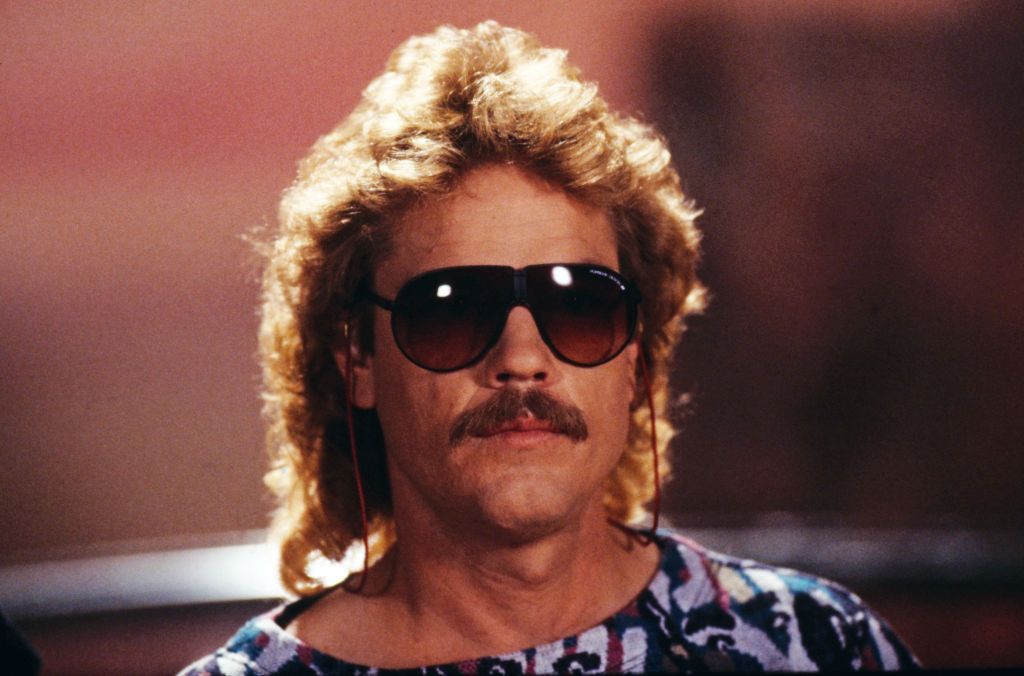
From the beginning, Beard supplied something ZZ Top desperately needed: swing. His playing was economical, muscular and deeply rooted in blues, but never stiff. On ZZ Top’s First Album and Rio Grande Mud, he helped establish the loose Texas boogie that would become the group’s foundation. Then came Tres Hombres, the breakthrough album where the trio truly locked together. The pounding groove beneath La Grange is a perfect example of Beard’s genius: he never overwhelms Gibbons, but gives the guitar riff enormous weight while allowing the rhythm to breathe.
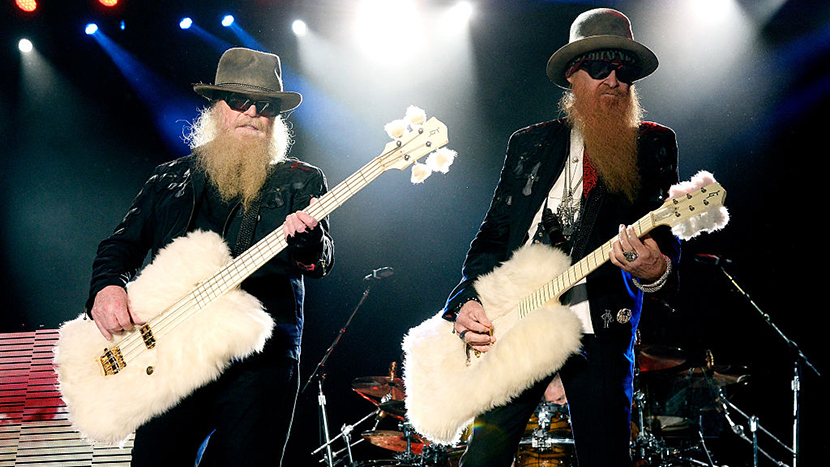
That approach continued through Fandango!, Tejas, Degüello and El Loco. The music worked because Beard understood that a great power-trio drummer does not merely provide volume. He creates space. His fills arrive when they matter, his cymbal work adds excitement without clutter, and his kick drum and snare give Dusty Hill’s bass the foundation it needs. Tres Hombres, in particular, has been praised for capturing the three musicians playing together at their most powerful.
Then came Eliminator, and Beard’s role became more complicated and, in some respects, less visible. The album transformed ZZ Top with synthesizers, sequencers, electronic effects and studio manipulation. Beard remained central to the music, but the production increasingly blurred the distinction between a human drummer and programmed rhythm. The result was revolutionary: Eliminator became the biggest-selling album of the band’s career, followed by the similarly produced Afterburner and Recycler.
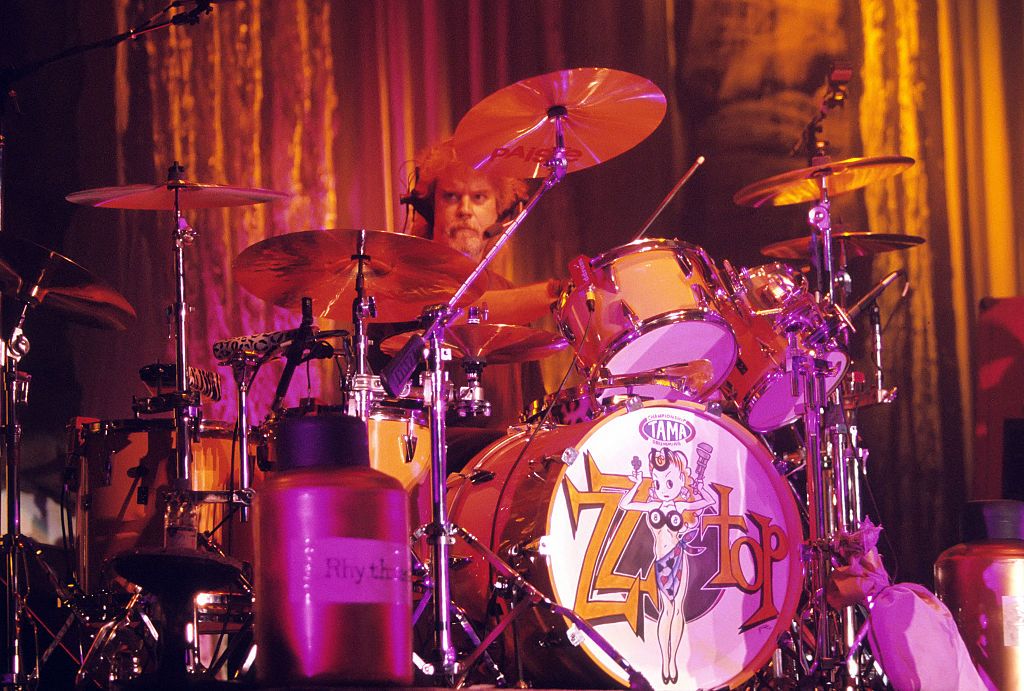
That technological shift is one reason Frank Beard has sometimes been underrated. Listeners could hear the beat without always realizing how much of the feel still came from him. On Recycler, for example, Beard contributed distinctive gated electronic drum fills to My Head’s in Mississippi, helping marry the band’s old blues character to its modern production.
There was also a visual irony: Billy Gibbons and Dusty Hill became famous for their enormous beards, while Frank Beard generally wore only a mustache. Behind the jokes was a musician who had spent decades doing something far more important, making ZZ Top groove.
Frank Beard did not need to dominate the spotlight. His greatness was in making everyone else sound better and that, ultimately, is what great drumming is supposed to do.


