How Cheap Trick Turned a Concert Into a Rock Classic
- The band's power pop, hard rock, and melodic style coalesced perfectly on this album.
- The enthusiastic Japanese audience became an integral part of the album's electric atmosphere.
- Several songs, like 'I Want You to Want Me', were improved and elevated by the live setting.
There are plenty of great live albums, but Cheap Trick’s At Budokan belongs in a different category. It is not simply a terrific document of a band playing in front of a huge audience; it is a great rock album, period. The difference is that the performances are so explosive, the songs so strong and the atmosphere so electric that the record feels less like a souvenir of a concert and more like the definitive version of Cheap Trick.
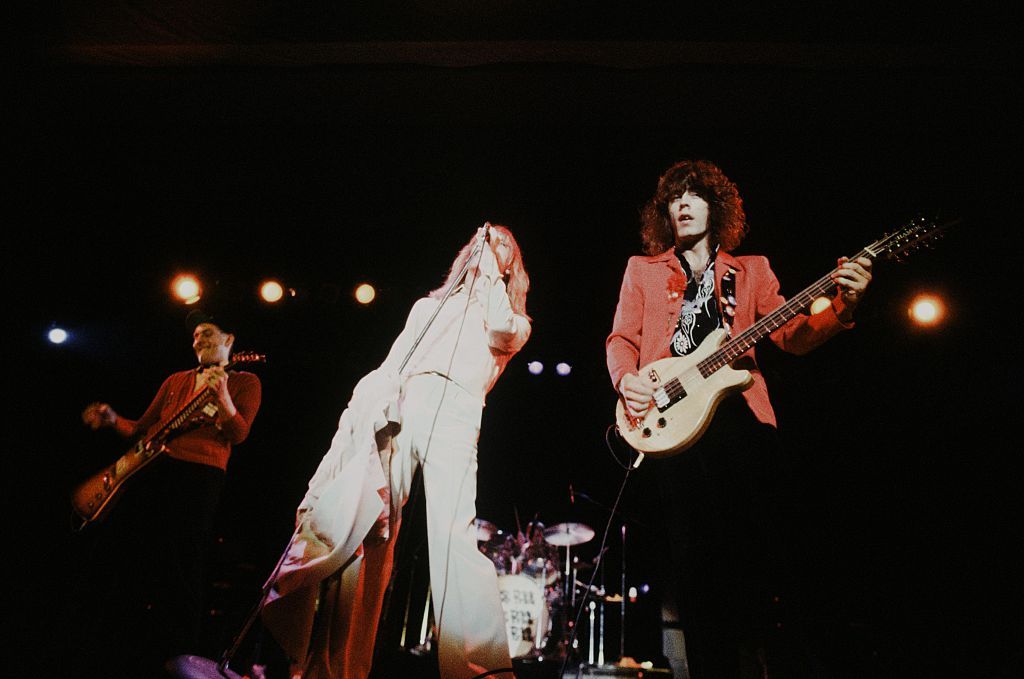
The biggest reason is the band itself. Rick Nielsen, Robin Zander, Tom Petersson and Bun E. Carlos had already developed a remarkable combination of power pop, hard rock, punk attitude and Beatles-style melody. On At Budokan, all of those elements finally come together. The guitars are loud and aggressive, but the songs remain incredibly catchy. Zander sings with an almost effortless combination of sweetness and power, while Nielsen plays guitar like someone trying to start a riot.
Then there is the audience. The screaming Japanese crowd is practically another instrument on the album. Their reaction gives songs like “Hello There,” “Big Eyes,” “Surrender,” and “I Want You to Want Me” an almost unbelievable sense of momentum. The Library of Congress has described the album as a decisive comeback for rock and roll, while critics have pointed to its influence on later hard rock and alternative rock.
Most importantly, At Budokan improves some of the songs. “I Want You to Want Me” is the perfect example. The studio version was good, but the live version transforms it into something enormous: romantic, desperate, funny, loud and completely irresistible. Cheap Trick discovered the arrangement that allowed the song’s pop melody and rock energy to exist at full strength. It became their first Top 10 hit.
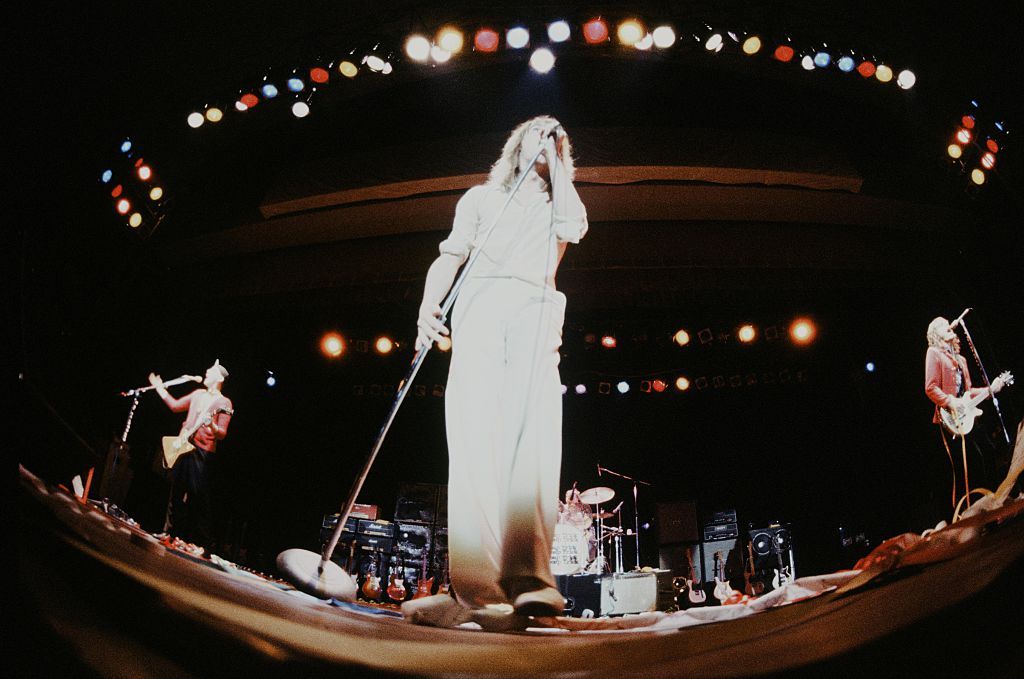
The album also tells an incredible rock-and-roll story. Cheap Trick had struggled to become major stars in America while developing a huge following in Japan. The album was originally intended for the Japanese market, but imports, radio play and word of mouth turned it into an American breakthrough. It eventually reached No. 4 and sold more than three million copies in the United States.
That is why At Budokan transcends the “great live album” label. It captures a band at the exact moment when its songwriting, musicianship, personality, and audience all collided. It is thrilling, funny, melodic, loud, and completely alive. Cheap Trick didn’t merely record a great concert, they created one of the defining documents of rock music.


