Extreme weather is putting residential plumbing systems under new pressure
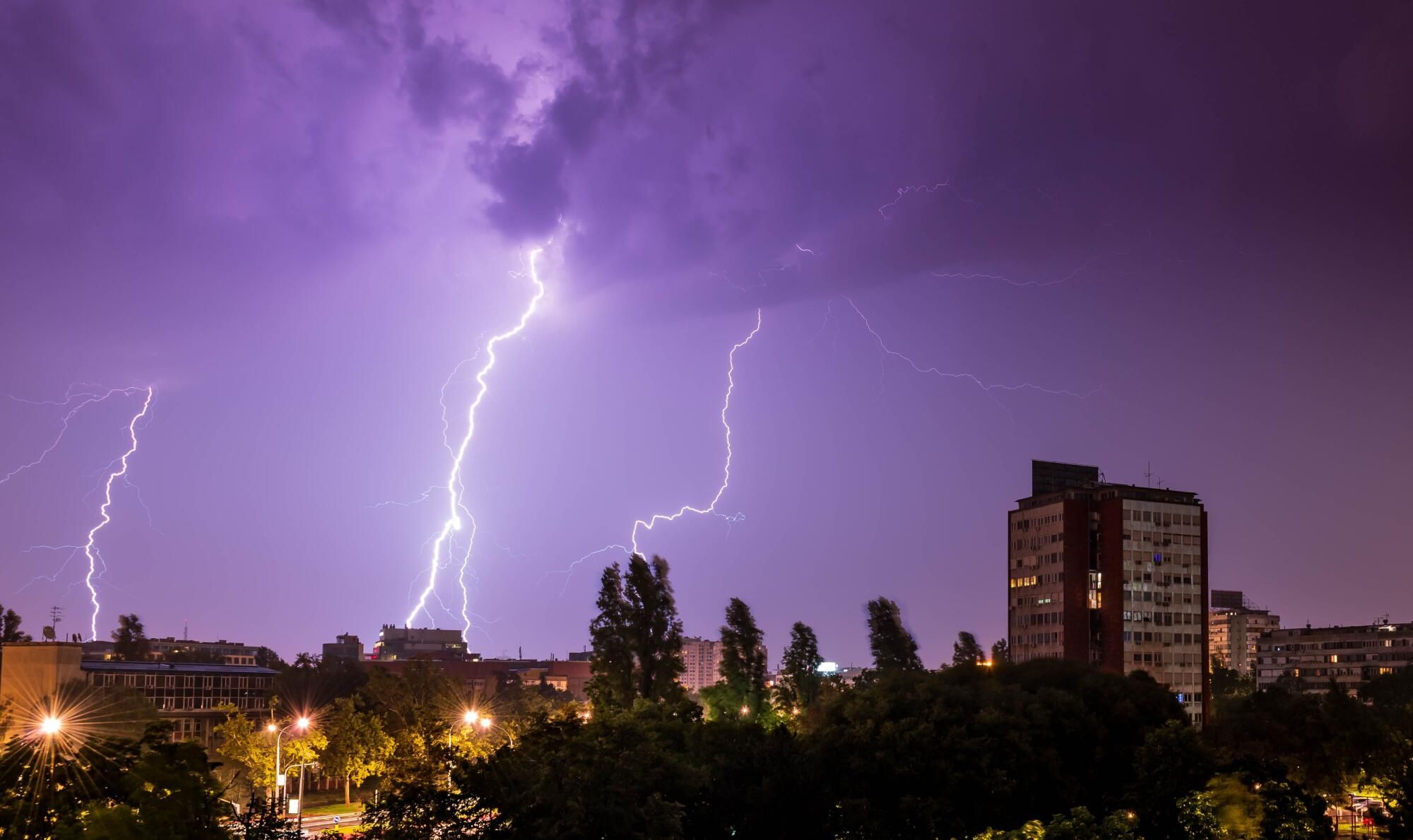
As extreme weather increases from heavier rains to heat waves, it’s having a harsh effect on your home plumbing. Sump pumps can become overwhelmed, and pipes can freeze, but you can prepare your home with pipe insulation and regular professional checks.
According to Climate Central, the United States has had 438 climate and weather disasters costing over $3.2 trillion as of June 2026. With few signs of weather slowing down, homeowners should fortify their plumbing systems now before the next weather event unexpectedly strikes.
How Does Extreme Weather Affect Plumbing?
Everyone can see the effects of climate change in longer droughts and hotter temperatures. Rain and winter storms are getting more intense, causing deep freezes and flooding.
Cold weather can cause frozen pipes as trapped water turns to ice, expands, and causes the pipes to crack. Burst lines can ruin your home interior floors and walls as water flows in.
A basement sump pump can become overwhelmed or fail during power outages or extreme water accumulation. When city main lines become overloaded, it can create sewer backups that can flow into home drains.
Extreme heat dries soil, causing dirt to shift and affect underground sewer lines. As tree roots search for moisture, they may gravitate toward your plumbing and break through your weaker pipes.
The financial impact can reach thousands of dollars for system replacements, which is why it is best to spend now on proactive strategies.
What Are Some Home Plumbing Protection Strategies?
Start adapting to weather changes by proactively fixing small leaks immediately, and a Smart watering monitoring system can alert you to them. Insulate your exposed pipes before winter and know where your main water supply is so you can quickly shut it off during an emergency.
You should insulate pipes that are on:
- Exterior walls
- Crawlspaces
- Garages
Do you have an outdoor hose to water the grass? Remember to disconnect it before winter temperatures drop to prevent a freezing backflow.
Signs You Need the Pros
The best way to maintain plumbing system resilience is with professional attention before problems intensify.
Contact the team at Metro-Flow Plumbing if there are signs of:
- Water pressure or supply issues
- Structural damage
- Backups
Don’t ignore constant gurgling in toilets and sinks, sluggish drains, and foul odors, as they’re alerts that you may have a backup or drainage issue that can worsen with the next storm. Sediment or cracked lines can cause tap water to become contaminated, which shows in discoloration, strange chemical tastes, and smells.
Check for signs of pooling water near your main water meter and around your foundation.
Mitigate Weather-Related Residential Plumbing Challenges Now
Extreme weather is having an ongoing effect on American home safety and repairs, as it may create problems with your plumbing. The result is costly backups, leaks, and system failures. Check for signs of problems such as pooling water outside or drops in water pressure.
Have a professional check things out early and insulate those pipes before winter sets in.
Continue to search our website for engaging coverage related to local services.


