Can a city be held responsible for crashes at dangerous intersections?
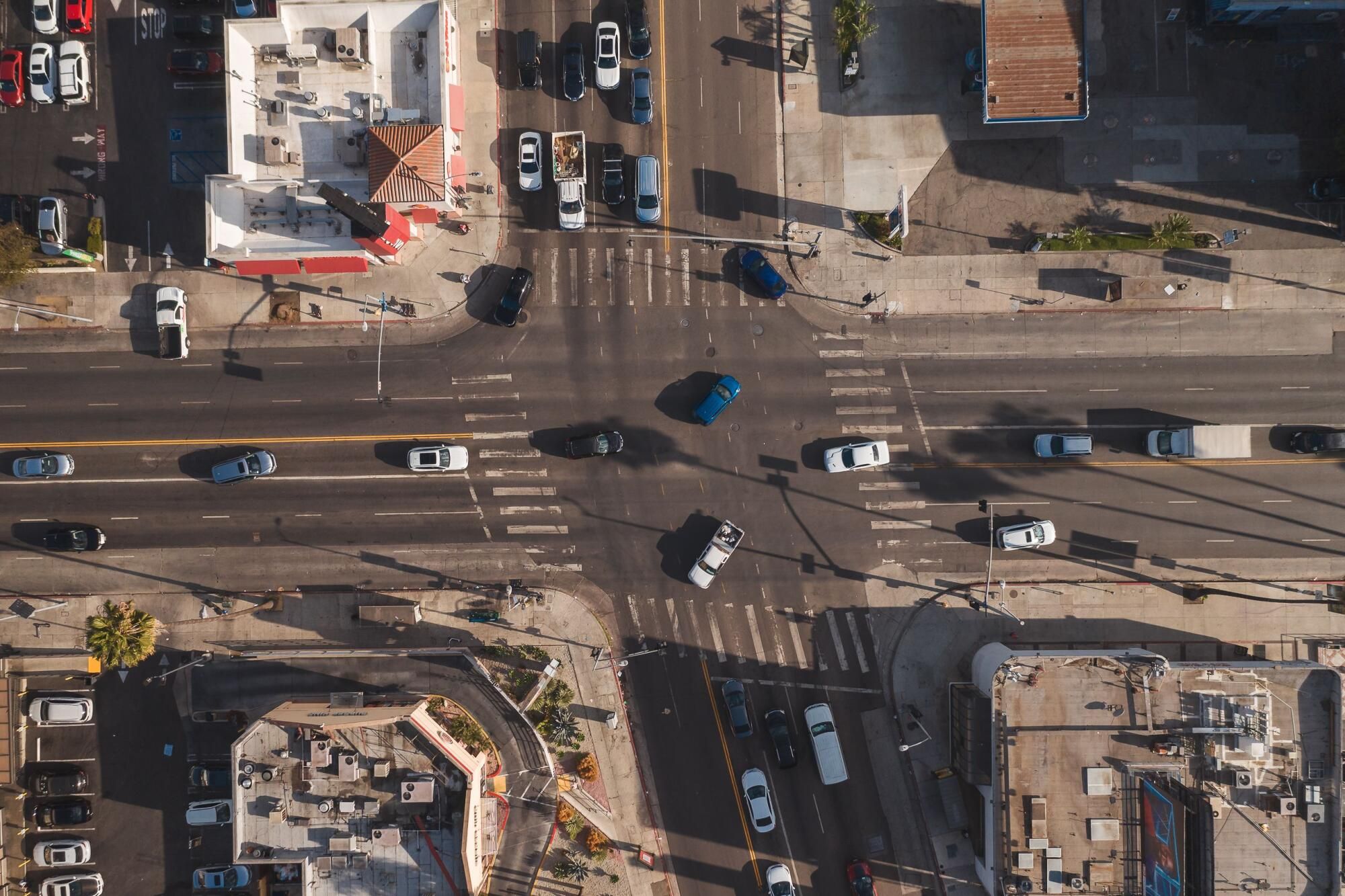
A city can be held responsible for dangerous intersections when there are known hazards that contribute to crashes, which may result from neglected maintenance. It can be hard to prove a city’s fault, though, but documented evidence can help immensely.
According to the Federal Highway Administration (FHWA), around 25% of traffic fatalities and 50% of all traffic injuries in the US are attributed to intersections. Not all accidents are preventable, but sometimes, dangerous intersections are the fault of a municipality.
You can’t always pin them for road safety accountability, though, so it’s important to know when they’re liable and what you can do about it.
When Can a City Be Held Responsible for Dangerous Intersection Conditions?
In general, cities have a responsibility to design, maintain, and manage roadways in a way that promotes public safety. If an intersection has known hazards, then the municipality may face city liability lawsuits if these conditions contribute to a crash. They include:
- Poor visibility
- Confusing signage
- Malfunctioning traffic signals
- Inadequate lighting
- Unsafe road designs
Proving responsibility can be complicated, though, as a person injured in an accident may need to show that the city knew or should’ve known about the dangerous condition and failed to take reasonable action.
How Neglected Maintenance Can Contribute to Intersection Crashes
Not every dangerous intersection is the result of poor planning. Hazards can sometimes develop because roadway maintenance issues are ignored or not addressed quickly enough. These things can all create conditions that increase the risk of collisions and contribute to intersection accident claims:
- Faded lane markings
- Broken traffic lights
- Overgrown vegetation blocking signs
- Potholes
- Damaged pedestrian crossing
If officials receive complaints or inspection reports identifying problems, a failure to respond may become an important factor in determining whether the city had notice of the danger.
Why Is Proving a City’s Fault After an Intersection Crash Be Difficult?
Proving municipal crash responsibility involves more than just showing that an intersection was dangerous. You also have to connect the specific roadway problem to the accident and resulting injuries.
Cities may defend themselves by arguing that the driver was speeding, distracted, impaired, or otherwise contributed to the crash. They may also argue that the intersection met existing safety standards at the time.
What Steps Can Help After a Crash at a Potentially Dangerous Intersection?
After a collision, document the conditions to preserve important information. Take photos or videos of:
- Missing signs
- Damaged signals
- Blocked sightlines
- Poor lighting
- Unusual road layouts
These can all provide evidence of possible contributing factors and prove legal liability for accidents. Getting a copy of the crash report and keeping records of medical treatment and expenses can also help establish the impact of the accident.
Enlisting the help of Denver automobile accident lawyers can be beneficial, too. They’ll understand the law and help you take action against a government entity.
Cities May Be Responsible for Dangerous Intersections
Dangerous intersections may be the responsibility of cities, so if you have a crash at one, gather all the evidence you can. With the assistance of an expert legal professional, you can then have a higher chance of receiving the compensation you deserve.
Take a look at our other articles if you want to keep learning.


