The case of “America’s oldest John Doe has been solved!
Scientists have identified a previously unknown Revolutionary War soldier using DNA extracted from his skull nearly 250 years after his death. But the genetic analysis revealed much more than his name—it uncovered details about his ancestry, family connections, and even aspects of his health and appearance, giving historians an unprecedented glimpse into the life of an ordinary soldier from the American Revolution.
In 2020, archaeologists uncovered the remains of 14 soldiers at the site of the Battle of Camden in South Carolina, one of the bloodiest defeats for the Continental Army during the Revolutionary War.
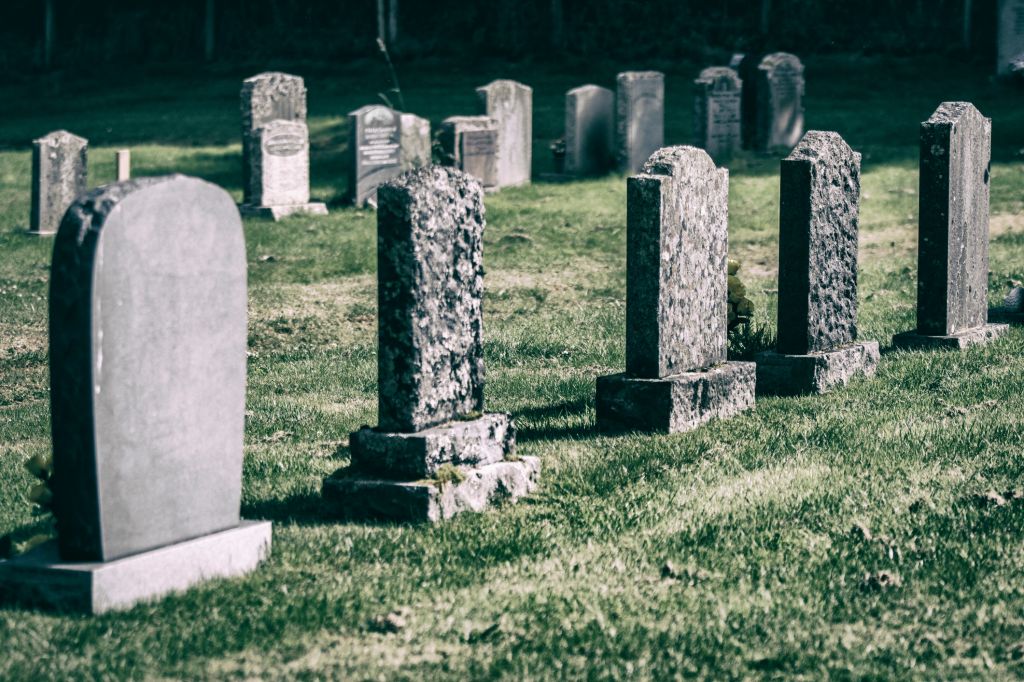
One skeleton, labeled “Camden 9B,” had no identification and was buried with a headstone that simply read “UNKNOWN.”
Scientists couldn’t get usable DNA from his teeth, but they successfully extracted a complete genetic profile from the petrous (temporal) bone at the base of his skull, one of the densest bones in the human body.
Using genetic genealogy databases and old military records, researchers identified him as Private John Pumphrey, a Maryland teenager who died at the Battle of Camden on Aug. 16, 1780.
What made the discovery even more remarkable was what they learned about him:
He was likely orphaned as a child.
He enlisted in the Continental Army while still a teenager.
His headstone finally bears his name: Private John Pumphrey.
Lana Backman


