ROCK MOMENT – Heart “Barracuda”
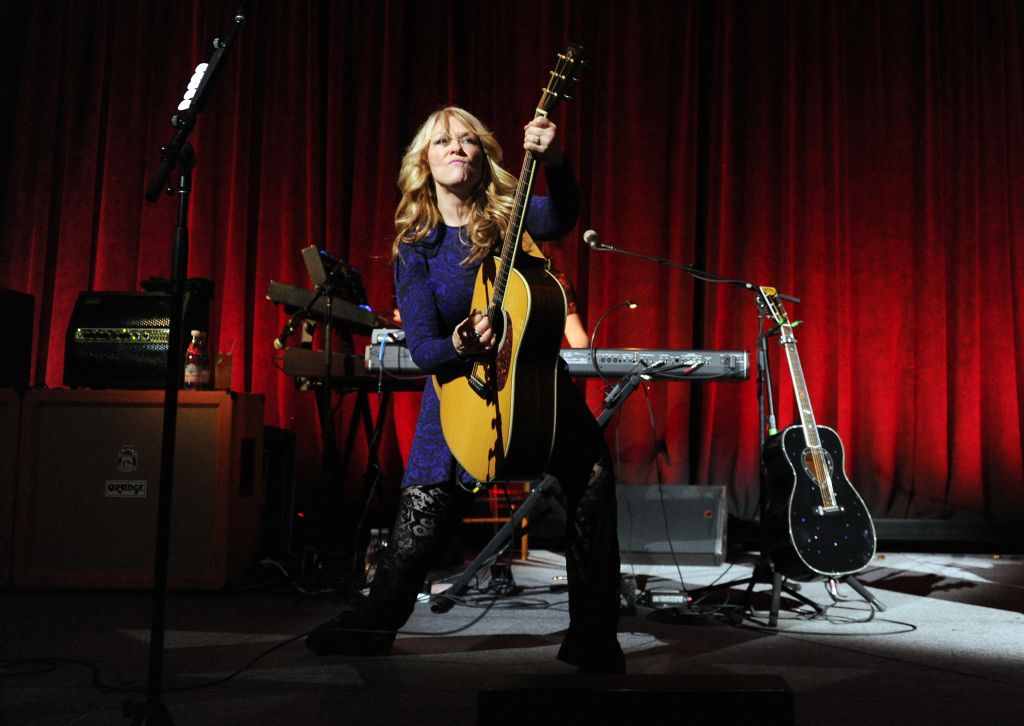
Few songs in classic rock hit as hard out of the gate as Heart’s “Barracuda.” Released in 1977 as the lead single from the band’s third studio album, Little Queen, the song remains one of Heart’s signature recordings. With its unforgettable guitar riff, powerhouse vocals, and unmistakable attitude, “Barracuda” wasn’t just another rock hit—it was born from anger, frustration, and a desire to set the record straight.
The song’s origin can be traced to a backstage incident following Heart’s rise to fame with the hit ballad “Magic Man.” At the time, sisters Ann and Nancy Wilson were romantically involved with band members Michael Fisher and Roger Fisher, who were also brothers. During a concert, a reporter made an inappropriate comment suggesting the Wilson sisters were involved in an incestuous relationship, apparently believing the Fisher brothers were actually their siblings. The remark wasn’t simply a misunderstanding—it reflected the kind of sensational tabloid gossip that often surrounded successful female rock artists in the 1970s.
Ann Wilson was furious. She later recalled that the offensive question instantly ignited something inside her. That anger became the fuel for “Barracuda,” with the song’s title referring to greedy, manipulative people in the music business and media who were willing to exploit the band for publicity and profit. Rather than writing a response in an interview, Heart answered with one of the fiercest rock songs ever recorded.
Musically, “Barracuda” is built around one of the most recognizable guitar riffs in rock history. Nancy Wilson’s aggressive rhythm guitar combines with Roger Fisher’s soaring lead work to create a driving, almost metallic sound that was ahead of its time. Producer Mike Flicker captured the band’s raw energy without sacrificing clarity, while Steve Fossen’s bass and Michael DeRosier’s pounding drums gave the song its relentless momentum.
Ann Wilson’s vocal performance is equally unforgettable. Her commanding delivery perfectly matches the song’s defiant lyrics, turning “Barracuda” into both a warning and a declaration of independence. It’s a performance that has influenced generations of rock singers and continues to be regarded as one of the finest vocal recordings of the decade.
Released in May 1977, “Barracuda” climbed to No. 11 on the Billboard Hot 100, becoming one of Heart’s biggest early hits and helping Little Queen achieve platinum status. Although it narrowly missed the Top 10, the song quickly became a staple on FM rock radio, where it has remained for decades.
The track’s popularity has only grown over the years. “Barracuda” has appeared in countless movies, television shows, sporting events, and video games, introducing new generations to Heart’s music. It has also become one of the band’s most requested concert songs, with Ann and Nancy Wilson continuing to deliver electrifying performances of it throughout their careers.
Today, “Barracuda” stands as more than just a classic rock anthem. It’s a song about refusing to be exploited, standing up to those who underestimate you, and channeling anger into something unforgettable. Nearly 50 years after its release, that iconic opening riff and Ann Wilson’s fierce vocal remain a reminder that some of rock’s greatest songs are born from the most personal moments—and few bands have ever transformed outrage into music as powerfully as Heart did with “Barracuda.”


