ROCK MOMENT – Wings “Band On The Run”
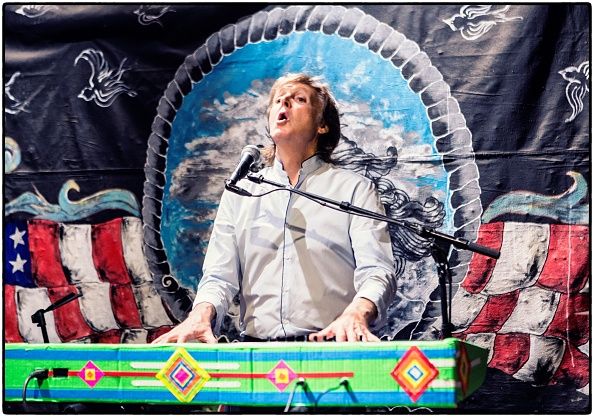
When people talk about Paul McCartney’s greatest post-Beatles achievements, “Band on the Run” is almost always at the top of the list. Released in December 1973 as the title track from Wings’ third studio album, the song marked a turning point for both McCartney and his band. It wasn’t just a hit—it helped silence critics who questioned whether McCartney could find the same magic he had enjoyed with The Beatles.
Ironically, the album’s creation was filled with challenges long before the first note was recorded. McCartney had planned to record in Lagos, Nigeria, believing the change of scenery would inspire creativity. Just before the trip, however, guitarist Henry McCullough and drummer Denny Seiwell abruptly quit the band, leaving Paul, his wife Linda McCartney, and guitarist Denny Laine as the only remaining members of Wings. Rather than cancel the project, the trio decided to move forward, with McCartney handling bass, drums, keyboards, lead vocals, and much of the guitar work himself.
The problems didn’t stop there. Shortly after arriving in Lagos, Paul and Linda McCartney were robbed at knifepoint while walking home from the studio. The thieves stole cash, personal belongings, and demo tapes containing early versions of the album’s songs. Thankfully, McCartney remembered most of the music well enough to recreate it from memory. Recording conditions at EMI’s Lagos studio were also less than ideal, with outdated equipment, frequent power issues, and a stifling tropical climate adding to the challenge.
Despite the obstacles, “Band on the Run” became one of McCartney’s most ambitious compositions. The song is famous for its three distinct musical sections, flowing seamlessly from a slow, reflective opening into an upbeat rock anthem before ending with a soaring finale. McCartney has said the lyrics were inspired in part by the feeling of wanting to escape restrictions and regain creative freedom. Some fans have interpreted the song as reflecting The Beatles’ breakup, while others believe it represents freedom from expectations placed on McCartney after leaving the world’s biggest band. Paul has generally preferred to leave the lyrics open to interpretation.
Producer Paul McCartney, along with engineer Geoff Emerick’s earlier influence on McCartney’s recording philosophy and engineers Geoff Emerick and Tony Visconti’s contributions during the project, helped create the polished yet adventurous sound that became the album’s hallmark. Rich vocal harmonies, layered guitars, and orchestral touches gave the song a cinematic feel that stood out on rock radio.
Released as a single in April 1974, “Band on the Run” climbed to No. 1 on the Billboard Hot 100 in the United States and reached the Top 5 in the United Kingdom. The album itself became Wings’ biggest commercial success, topping charts around the world and winning the Grammy Award for Best Pop Vocal Performance by a Duo, Group or Chorus. The title track has since become one of McCartney’s signature songs, remaining a staple of his live performances for decades.
More than 50 years later, “Band on the Run” is widely regarded as the song that established Wings as far more than “Paul McCartney’s new band.” Against incredible odds—including lineup changes, a robbery, and difficult recording conditions—it became a timeless rock classic that proved McCartney’s songwriting brilliance didn’t end when The Beatles did.


