Roaches To The Rescue
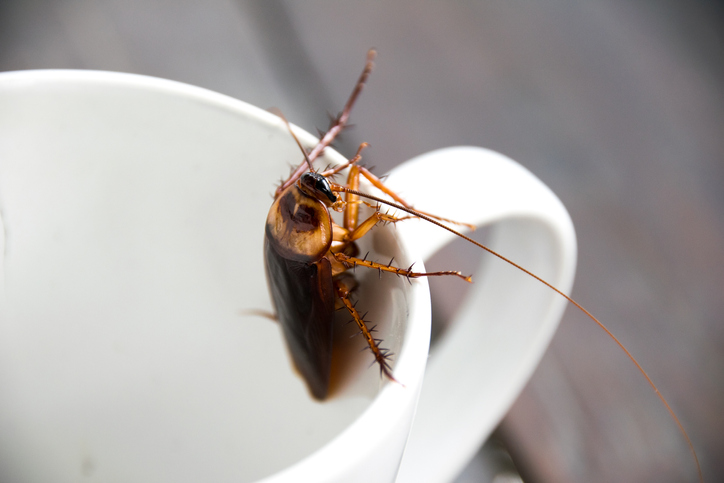
Scientists have created cyborg cockroaches equipped with tiny diving suits that let them survive underwater and in low-oxygen environments for up to three hours. Controlled remotely and fitted with cameras and sensors, the insects are designed to help search-and-rescue teams navigate flooded areas, rubble, tunnels, and other hard-to-reach places. Researchers say the roaches were already used after Myanmar’s 2025 earthquake to help detect signs of life, and the new technology could expand their role in future disaster response.
Why cockroaches?
Cockroaches are naturally excellent at surviving harsh conditions. They can squeeze through tiny gaps, walk over rough surfaces, survive impacts, and tolerate environments that would damage traditional robots.
Scientists have created cyborg cockroaches equipped with tiny diving suits that let them survive underwater and in low-oxygen environments for up to three hours. Controlled remotely and fitted with cameras and sensors, the insects are designed to help search-and-rescue teams navigate flooded areas, rubble, tunnels, and other hard-to-reach places. Researchers say the roaches were already used after Myanmar’s 2025 earthquake to help detect signs of life, and the new technology could expand their role in future disaster response.
Why cockroaches?
Cockroaches are naturally excellent at surviving harsh conditions. They can squeeze through tiny gaps, walk over rough surfaces, survive impacts, and tolerate environments that would damage traditional robots.
Makes sense to me!
Lana Backman


