Human Hibernation May Cure Cancer
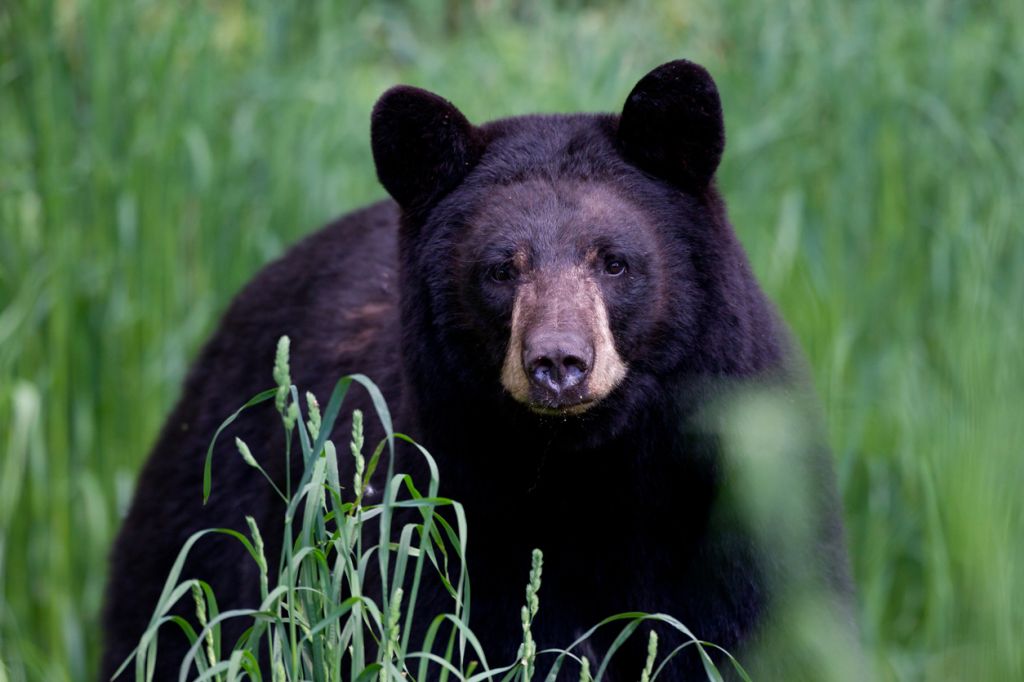
What if the future of space travel starts with a very old trick from nature: sleeping?
Scientists are studying hibernation—the incredible ability some animals use to slow their bodies down and survive for months without food, water, or movement to see if humans could one day do something similar.
Imagine astronauts traveling to Mars not awake the entire journey, but tucked safely into a science-fiction-style “deep sleep.” A human version of hibernation, called synthetic torpor, could help protect astronauts from some of the biggest challenges of deep space: radiation, muscle and bone loss, stress, and the huge amount of food and supplies needed for years-long missions.
The catch? Humans aren’t built to hibernate. So researchers backed by groups like NASA and the European Space Agency are searching for ways to switch the body into a slowed-down state using tools like drugs, ultrasound, and other experimental technologies.
And the benefits might not stop at the edge of space.
Scientists are also investigating whether synthetic torpor could become a medical superpower on Earth:
🧬 Cancer: Slowing the body’s activity may help slow tumor growth, make cancer treatments more effective, and reduce damage to healthy cells.
🧠 Alzheimer’s disease: A hibernation-like state could potentially calm brain inflammation, support brain cell repair, and help clear harmful proteins linked to the disease.
It sounds like something from a sci-fi movie, but researchers are seriously exploring the idea.
The dream: one day, humans may borrow nature’s ultimate survival mode to travel farther into space and fight disease in new ways.
Lana Backman


