ROCK MOMENT – Alice Cooper “Only Women Bleed”
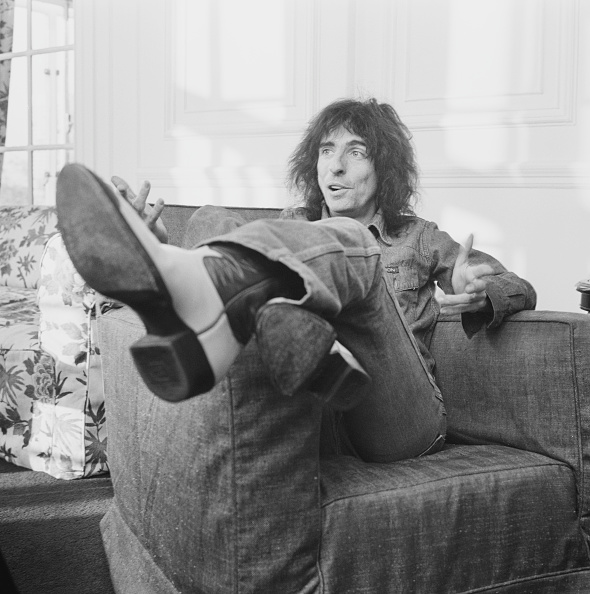
Despite its title, Alice Cooper’s 1975 hit “Only Women Bleed” isn’t about biology. Instead, it’s one of the most emotional and socially conscious songs Cooper ever recorded, telling the story of a woman trapped in an abusive relationship. Released as the second single from the Welcome to My Nightmare album, the song surprised fans and critics alike by revealing a softer, more compassionate side of the shock rocker known for guillotines, snakes, and theatrical horror.
“Only Women Bleed” was co-written by Alice Cooper and longtime guitarist Dick Wagner. The music actually began as an instrumental piece Wagner had written years earlier. Cooper heard the melody and believed it deserved meaningful lyrics. Rather than writing another hard rock anthem, he chose to tackle the difficult subject of domestic violence—a topic that was rarely addressed in popular music during the mid-1970s.
Cooper has explained in interviews that the phrase “Only Women Bleed” was intended metaphorically. His lyrics describe the emotional pain, sacrifice, and suffering endured by many women in abusive relationships. At the time, discussions about domestic abuse were far less common than they are today, making the song surprisingly bold for mainstream rock radio. Because of the title, however, many listeners initially misunderstood its meaning, assuming it referred to menstruation. Cooper has often joked about the confusion, while emphasizing that the song was always meant as a statement of empathy for women experiencing abuse.
The recording sessions took place during the making of Welcome to My Nightmare, Alice Cooper’s first album after the breakup of the original Alice Cooper band. Produced by the legendary Bob Ezrin, the album featured an all-star group of session musicians, including Dick Wagner and fellow guitarist Steve Hunter. Ezrin’s lush production transformed the song into a dramatic power ballad, built around gentle piano, tasteful orchestration, and Wagner’s expressive guitar work. Cooper responded with one of the most restrained vocal performances of his career, proving he could deliver vulnerability just as convincingly as theatrical menace.
Released in April 1975, “Only Women Bleed” became Cooper’s highest-charting U.S. single at the time, reaching No. 12 on the Billboard Hot 100. It also found success on adult contemporary radio, exposing Cooper to an audience that might never have purchased one of his hard rock records. The song helped broaden his reputation beyond shock rock, demonstrating his range as both a songwriter and storyteller.
Over the years, “Only Women Bleed” has been covered by a wide variety of artists, including Tina Turner, Etta James, Tori Amos, Julie Covington, and Lita Ford, each bringing a different emotional perspective to the song. Those interpretations have reinforced its enduring message and timeless relevance.
Today, “Only Women Bleed” remains one of Alice Cooper’s most respected songs. While he built his career on theatrical spectacle, this ballad showed that beneath the makeup and stage props was a songwriter capable of addressing real-life struggles with compassion and sincerity. More than 50 years after its release, the song continues to resonate, reminding listeners that some of the most powerful rock songs aren’t about rebellion—they’re about understanding the pain that others endure.


