ROCK MOMENT – Cheap Trick at Budokan
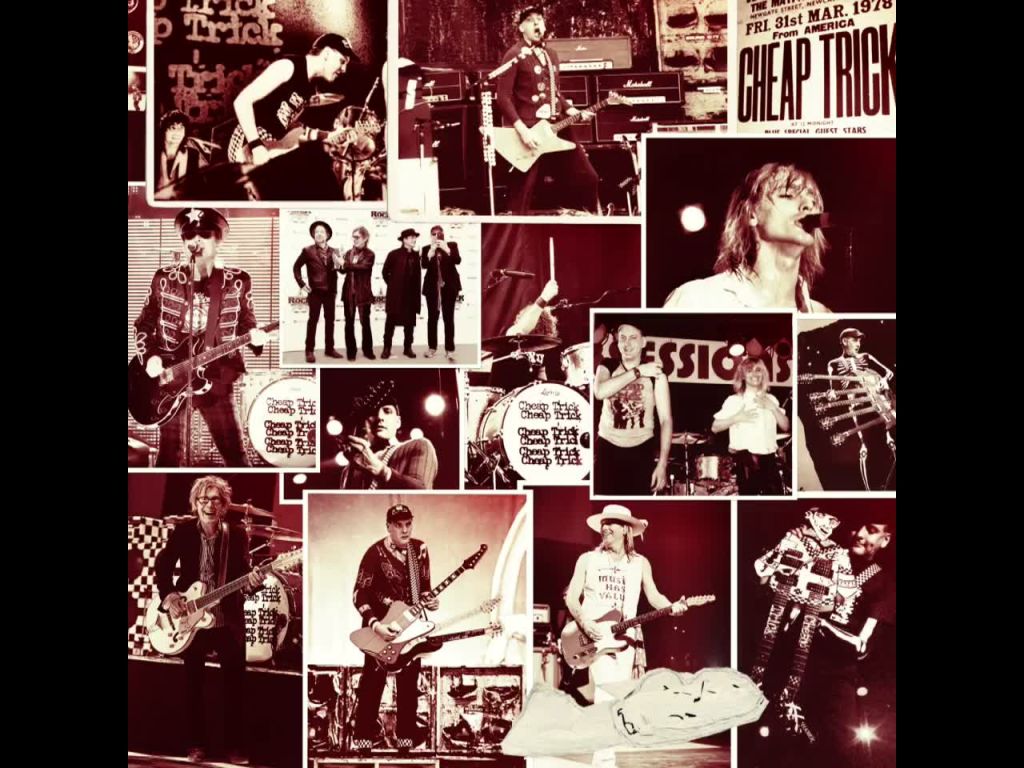
Few live albums have changed a band’s career as dramatically as Cheap Trick at Budokan. Released first in Japan in October 1978 and later in the United States in February 1979, the album transformed Cheap Trick from a critically acclaimed cult favorite into one of rock’s biggest acts. It also proved that sometimes a live recording can become more important than any studio album that came before it.
By 1978, Cheap Trick had already released three outstanding studio albums—Cheap Trick, In Color, and Heaven Tonight. Critics loved the band’s unique blend of Beatles-inspired melodies, hard rock guitars, and quirky humor, but American record buyers had been slow to embrace them. Ironically, halfway around the world, the band had become a sensation. Japanese fans greeted Cheap Trick with a level of excitement often compared to Beatlemania, screaming throughout their concerts and treating the four musicians like superstars.
Recognizing the band’s enormous popularity in Japan, CBS/Sony decided to record Cheap Trick’s April 1978 concerts at Tokyo’s legendary Nippon Budokan. The original plan was simple: release the album only in Japan as part of a series of live recordings by artists touring the country. No one expected what happened next.
American radio stations somehow got their hands on imported copies of the album, and DJs began spinning the explosive live version of “I Want You to Want Me.” The song, which had failed to become a major hit when it first appeared on the 1977 album In Color, suddenly came alive thanks to Robin Zander’s energetic vocal performance and the deafening roar of thousands of Japanese fans. Demand for imported copies exploded, with an estimated 30,000 imports selling in the U.S. before Epic Records finally decided to give the album an American release.
The gamble paid off in spectacular fashion. Cheap Trick at Budokan climbed to No. 4 on the Billboard album chart and eventually sold more than three million copies in the United States. The live version of “I Want You to Want Me” became the band’s signature song, reaching No. 7 on the Billboard Hot 100, while their cover of “Ain’t That a Shame” also became a Top 40 hit. The album’s success delayed the release of the already-completed Dream Police album because the label wanted to capitalize on the band’s newfound fame.
One of the album’s most surprising stories didn’t emerge until decades later. Producer Jack Douglas revealed that much of the music heard on the album actually came from performances recorded in Osaka rather than the Budokan concerts themselves. Technical problems with portions of the Budokan recordings led the production team to use better-sounding performances from another Japanese show, even though the album retained the iconic At Budokan title.
Today, Cheap Trick at Budokan is widely regarded as one of the greatest live rock albums ever recorded. In 2020, it was selected for preservation in the National Recording Registry by the Library of Congress for its cultural and historical significance. More importantly, it stands as the album that rescued Cheap Trick’s career, proving that the right performance, in front of the right audience, at exactly the right moment, can change music history forever.


