Legendary rock stars who went from sports fans to team owners
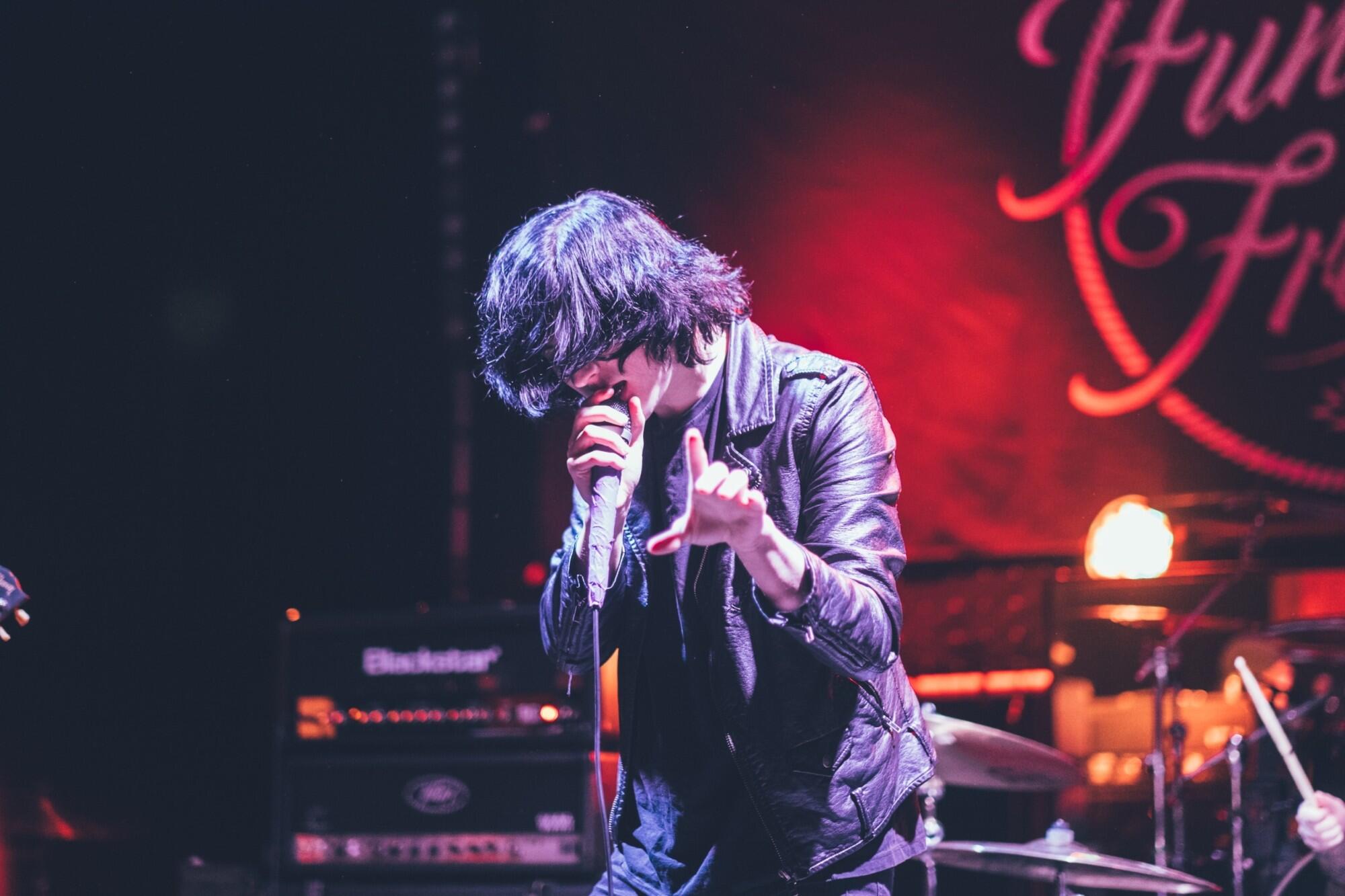
Several legendary rock stars have made the leap from passionate sports fans to sports team owners, with Jon Bon Jovi, Gene Simmons, and Elton John leading the charge. They brought creative vision and cultural influence to professional sports, reshaping the teams they owned and building legacies well beyond the stage.
According to Visual Capitalist, the global sports market was valued at $417 billion in 2025, and rock icons are among the most compelling investors driving that growth. With massive personal brands and loyal fanbases, these musicians understood how to fill stadiums long before they signed any ownership papers.
Why Do Rock Stars and Sports Make Such a Natural Match?
Rock stars and professional sports share some real common ground. Both worlds rely on big personalities, loyal fans, and sold-out arenas. Years of touring and record deals give musicians the capital to buy a sports team. Many of them grew up as passionate fans of athletics and never lost that connection.
Some lesser-known reasons rock stars connect with sports include:
- Rock concerts and live sports both depend heavily on crowd energy
- Many rock stars played competitive sports growing up and kept that passion
- Team ownership offers long-term asset value that music royalties typically don’t provide
Which Rock Star Sports Fans Made the Leap to Team Ownership?
A handful of rock legends went beyond just buying courtside seats. For instance, Jon Bon Jovi co-founded the Philadelphia Soul, a sports team in arena football, in 2004, winning back-to-back Arena Bowl championships. Gene Simmons of KISS owned the LA Kiss and basically turned the team into a walking extension of the KISS brand.
Elton John served as chairman and owner of Watford FC across two separate stints, with very hands-on involvement in transfers and club strategy. Jay-Z, Justin Timberlake, and Nelly each held minority stakes in NBA franchises.
What Separates a Passive Investor From a True Team Builder?
A sports team owner can range from a silent backer to someone who reshapes a franchise from the inside out. In fact, Bon Jovi, Simmons, and Elton John treated ownership as a creative project and poured real energy into their teams.
Running a successful business in professional sports means showing up for more than just writing checks. Active owners typically get involved in key areas such as:
- Hiring decisions for coaches and senior management
- Branding choices like logos, colors, and stadium presentation
- Community outreach programs that connect the team to local fans
A Legacy That Goes Beyond the Music
Owning a sports team gives rock stars a platform that stays active year-round. Naturally, music careers have peaks and valleys, so team ownership builds something with lasting value.
Stadiums and arenas require serious upkeep from seating to surfaces, including vinyl fabrics for outdoor athletics used in practice facilities, and a rock star turned sports team owner, of course, deals with the full scope of running a physical venue.
From the Front Row to the Owner’s Box
Rock stars and sports ownership have proven to be a surprisingly powerful combination. From Elton John’s tenure at Watford FC to Gene Simmons’ LA Kiss experiment, these musicians demonstrated that passionate sports fans with vision and resources can build something lasting.
Visit our website to explore more stories about the crossover between music, sports, and business.