Generation Swine: When Mötley Crüe Missed the Moment
Generation Swine: When Mötley Crüe Missed the Moment
- Mötley Crüe faced a difficult choice: stay true to their roots or adapt to contemporary trends with 'Generation Swine'.
- Tensions within the band and disagreements over the album's direction complicated the recording process.
- The album contained bright spots that showcased the band's creativity, but ultimately failed to resonate due to changing musical landscapes.
When Mötley Crüe released Generation Swine in 1997, the album was intended to mark a triumphant reunion. It was the first studio album to feature vocalist Vince Neil since his departure in 1992 and fans hoped the classic lineup would recapture the magic that had produced hits such as Shout at the Devil, Girls, Girls, Girls, and Dr. Feelgood. Instead, the album became a symbol of a band struggling to find its place in a musical landscape that had dramatically changed.
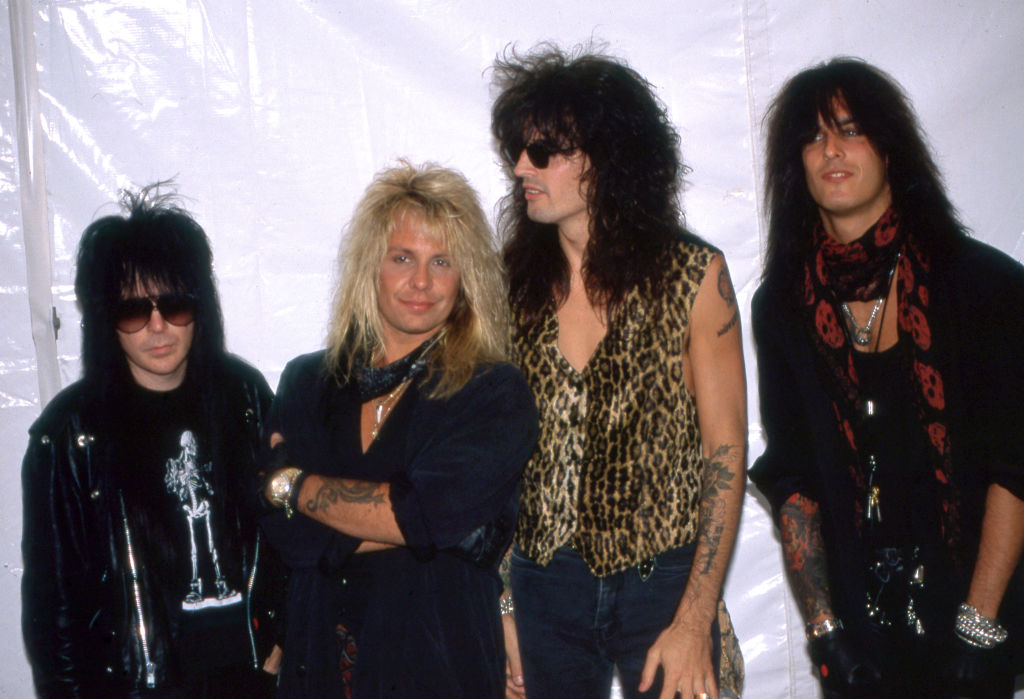
The late 1990s were a far cry from the glory days of Sunset Strip hard rock. The rise of grunge, alternative rock, and post-grunge acts had pushed many 1980s metal bands to the margins. Groups like Nirvana, Pearl Jam and Soundgarden had reshaped listeners’ expectations, and flashy, excess-driven glam metal no longer dominated radio or MTV. By the time Generation Swine arrived, Mötley Crüe faced a difficult choice: remain true to their roots or adapt to contemporary trends.
Unfortunately, the album often seemed caught between those two approaches. Rather than delivering a straightforward hard-rock record, the band experimented with industrial textures, electronic elements and modern production techniques. Tracks such as Afraid and Beauty reflected an effort to sound current, but many longtime fans felt the band was chasing trends instead of setting them. The result was an album that lacked a clear identity.
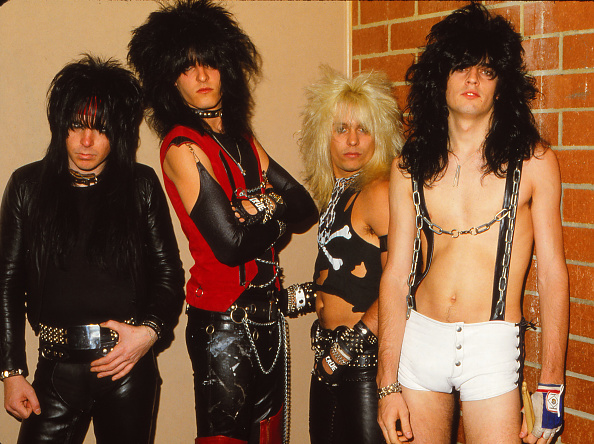
Behind the scenes, tensions within the band further complicated matters. The reunion of Vince Neil, bassist Nikki Sixx, drummer Tommy Lee and guitarist Mick Mars was far from harmonious. Years of personal conflicts, differing musical visions and lingering resentment made the recording process difficult. Reports from the period suggest that disagreements over the album’s direction were frequent and the instability showed in the final product.
Yet dismissing Generation Swine entirely would be unfair. Despite its flaws, the album contains several bright spots that demonstrate the band’s enduring creativity. Afraid became a modest hit and showcased a willingness to experiment. Shout at the Devil ’97 offered a modernized take on one of the band’s classics, while songs like Find Myself and Let Us Prey revealed moments of genuine ambition and strong songwriting. Even critics who disliked the album often acknowledged that its best tracks contained flashes of the band’s former brilliance.
In retrospect, Generation Swine was less a failure of talent than a failure of timing. Mötley Crüe returned with energy and ambition, but the music world had moved on. The album remains a fascinating document of a legendary band attempting to reinvent itself during an era when its once-dominant style no longer ruled the cultural conversation.


