Blonde on Blonde: The Double Album That Changed Everything
Blonde on Blonde: The Double Album That Changed Everything
- Blonde on Blonde blended diverse genres into a groundbreaking sound that elevated the album as an art form.
- The album's complex, personal songwriting inspired generations of musicians and redefined popular music's creative possibilities.
- Released in 1966, Blonde on Blonde remains a towering achievement and a cornerstone of classic rock.
On June 25, 1966, Bob Dylan released Blonde on Blonde, a landmark recording that would become one of the most influential albums in rock history. Widely regarded as one of the defining works of the classic rock era, the album also holds a special place in music history as one of the first major double albums released in rock music. Sixty years later, its impact remains as powerful as ever.
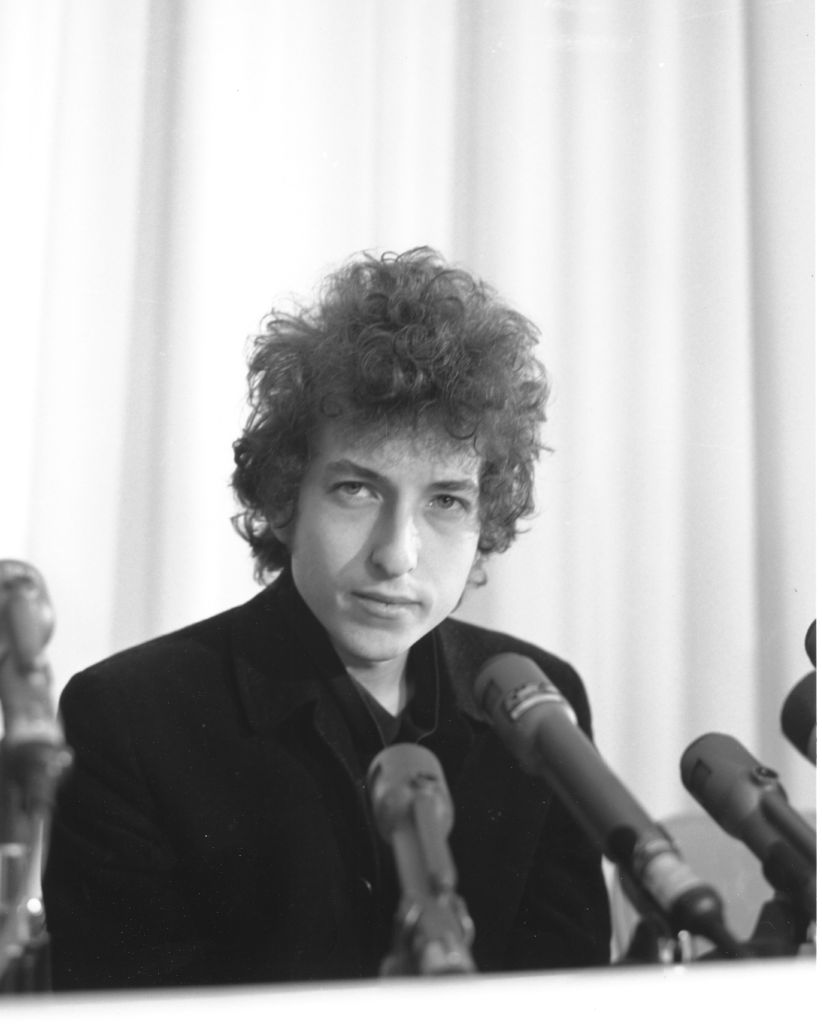
By 1966, Dylan had already transformed popular music through his groundbreaking songwriting and poetic lyricism. Albums such as The Freewheelin’ Bob Dylan, Bringing It All Back Home, and Highway 61 Revisited had established him as one of the most important voices of his generation. With Blonde on Blonde, however, he pushed artistic boundaries even further, creating a work that many critics and musicians consider his masterpiece.
Recorded primarily in Nashville with a talented group of session musicians, the album combined rock, folk, blues, country and surrealist poetry into a sound unlike anything listeners had heard before. The result was a collection of songs that felt both deeply personal and universally meaningful. Tracks such as Rainy Day Women #12 & 35, I Want You, Just Like a Woman, Visions of Johanna, and Stuck Inside of Mobile with the Memphis Blues Again showcased Dylan’s extraordinary ability to blend vivid imagery with emotional depth.

What made Blonde on Blonde so revolutionary was not only its musical ambition but also its scope. At a time when most albums were relatively brief collections of songs, Dylan embraced the double-album format to create a larger artistic statement. The album demonstrated that rock music could be every bit as sophisticated, complex, and expressive as literature or fine art. It helped elevate the album as an art form rather than simply a vehicle for hit singles.
The influence of Blonde on Blonde can be heard throughout the history of rock music. Artists including The Beatles, The Rolling Stones, Bruce Springsteen, Tom Petty, and countless others drew inspiration from Dylan’s songwriting, storytelling and willingness to experiment. The album’s blend of poetic lyrics and innovative musical arrangements helped shape the direction of rock music for decades to come.
Beyond its critical acclaim, Blonde on Blonde represented a turning point in popular culture. It reflected a growing desire among artists to challenge conventions and explore new creative possibilities. In doing so, Bob Dylan helped redefine what popular music could achieve.
Today, Blonde on Blonde remains a towering achievement and a cornerstone of classic rock. Released on June 25, 1966, it stands as a testament to Bob Dylan’s artistic vision and enduring influence, continuing to inspire musicians and listeners around the world nearly six decades after its debut.


