ROCK MOMENT – The Doobie Brothers ‘Long Train Runnin”
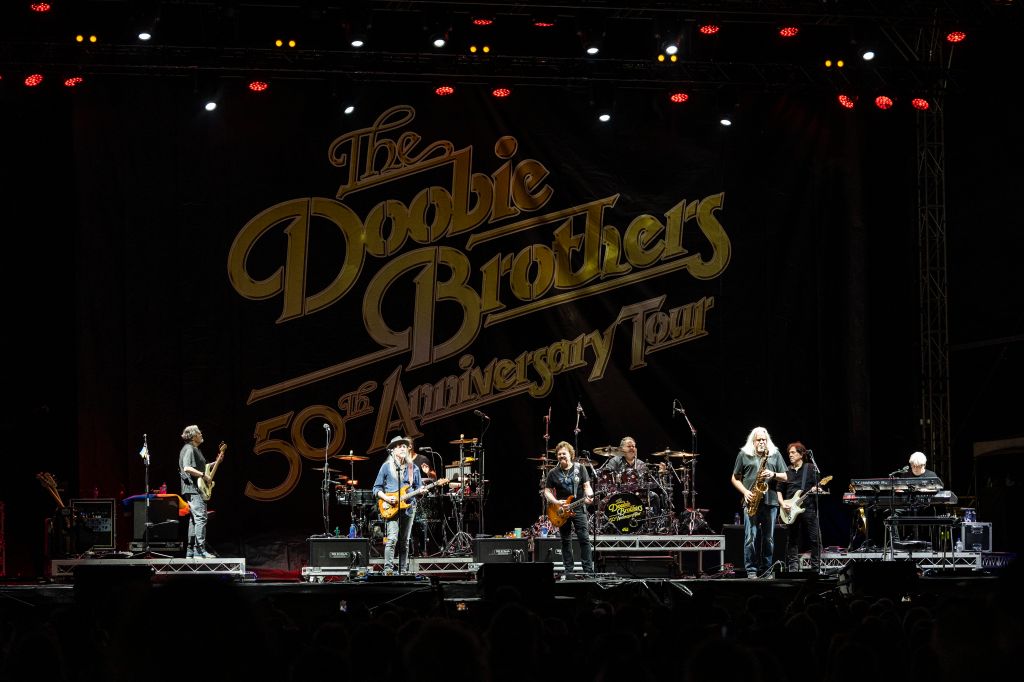
One of the most recognizable songs of the 1970s, ‘Long Train Runnin” helped establish The Doobie Brothers as one of the era’s premier rock acts. Released in 1973 on the band’s album The Captain and Me, the song blended rock, blues, country, and boogie rhythms into a unique sound that continues to fill radio playlists decades later.
What many fans don’t know is that ‘Long Train Runnin” began as an unfinished instrumental jam. During the early days of The Doobie Brothers, the band frequently played a groove-based piece called ‘Osborne’ during live performances. Named after a nearby road in Northern California, the song featured the driving rhythm and guitar riffs that would later become its trademark. However, it had no lyrics and was essentially used to fill time during concerts.
As the band prepared material for The Captain and Me, producer Ted Templeman recognized the potential of the song and encouraged lead singer and songwriter Tom Johnston to finish it. Johnston initially resisted, believing the track worked better as an instrumental. Templeman persisted, and eventually Johnston sat down and wrote lyrics inspired by themes of travel, struggle, and life on the move.
The song’s title and imagery were inspired by the sound and motion of freight trains, a common sight and sound throughout America. Its lyrics paint a picture of restless movement and economic hardship while maintaining an infectious energy that keeps listeners engaged.
Upon release, ‘Long Train Runnin” became a major hit, reaching the Top 10 on the Billboard Hot 100. Its signature acoustic guitar riff, harmonica accents, and driving rhythm made it instantly recognizable. The song showcased The Doobie Brothers’ ability to combine rock power with groove-oriented musicianship.
Over the years, ‘Long Train Runnin” has become one of the band’s signature songs and a staple of classic rock radio. It has been featured in films, television shows, commercials, and countless greatest-hits collections. More than 50 years after its release, the track remains a testament to how a simple jam session evolved into one of rock music’s most enduring and beloved classics.


