ROCK MOMENT – Lynyrd Skynyrd ‘Gimme Back My Bullets’
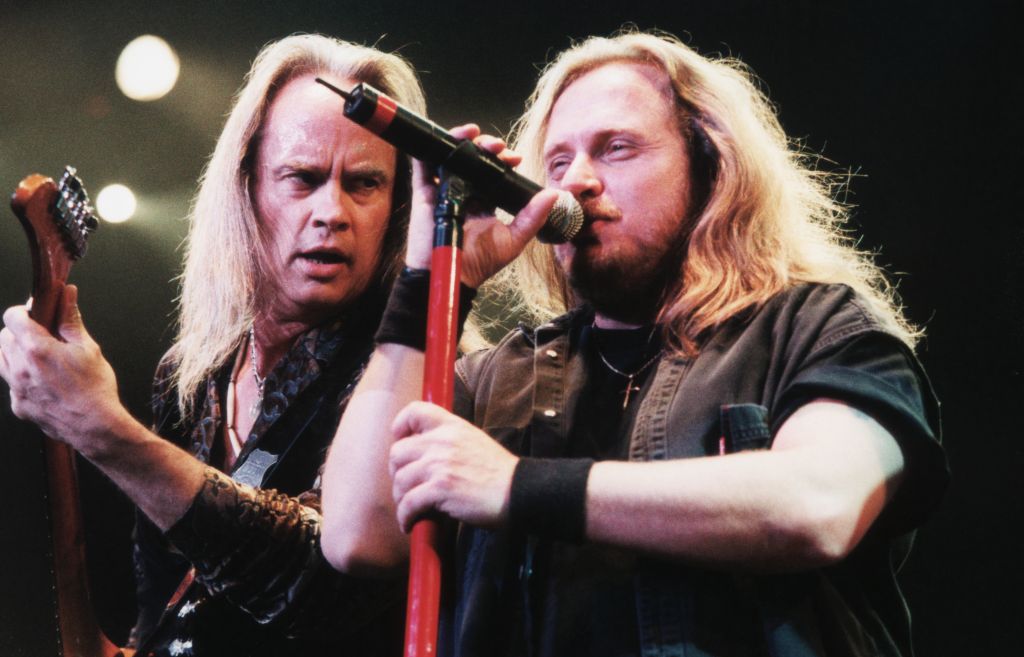
Released in 1976, ‘Gimme Back My Bullets’ became one of Lynyrd Skynyrd’s most misunderstood songs. Despite what some listeners may assume, the title has nothing to do with firearms. Instead, it was a response to the band’s frustration with the music industry’s obsession with chart rankings and commercial success.
By the mid-1970s, Lynyrd Skynyrd had established themselves as one of America’s premier Southern rock bands. Albums such as Pronounced ‘Lĕh-‘nérd ‘Skin-‘nérd and Second Helping had produced hits like ‘Free Bird’ and ‘Sweet Home Alabama.’ However, frontman Ronnie Van Zant noticed that the band’s albums were often falling short of the coveted No. 1 position on the charts.
At the time, the music trade magazine Billboard used a bullet symbol next to songs and albums that were rapidly climbing the charts. Those “bullets” represented momentum and commercial success. Van Zant jokingly remarked that he wanted his bullets back, feeling that the band’s chart momentum had stalled despite their growing popularity and relentless touring schedule.
The phrase struck a chord and became the title track of the band’s fourth studio album. Lyrically, the song reflects a determination to keep pushing forward despite setbacks and industry pressures. Rather than focusing on chart positions, it celebrates perseverance and the band’s refusal to be discouraged.
Musically, ‘Gimme Back My Bullets’ showcased a slightly different side of Lynyrd Skynyrd. It was the first album produced by legendary musician and producer Tom Dowd, who encouraged the band to refine its sound while maintaining the hard-driving Southern rock style that fans loved. The song’s twin-guitar attack, powerful rhythm section, and Van Zant’s gritty vocals made it a standout track.
Although the album did not become the band’s biggest commercial success, the song has endured as a fan favorite. Over the years, ‘Gimme Back My Bullets’ has come to symbolize Lynyrd Skynyrd’s blue-collar attitude and determination to succeed on their own terms. Today, it remains a staple of classic rock radio and a reminder that sometimes the best response to adversity is simply to keep moving forward and playing louder than ever.


