Why The Police’s Synchronicity Still Resonates After 43 Years
Why The Police’s ‘Synchronicity’ Still Resonates After 43 Years
- Synchronicity was a landmark album that cemented The Police's status as global rock stars.
- The album's tracks blended diverse genres and emotions, showcasing the band's musical brilliance.
- Despite the album's success, internal tensions within the band foreshadowed their imminent breakup.
Shockwaves hit the music world in 1983 when The Police dropped Synchronicity, the blockbuster album that turned three sharp-suited new-wave rebels into global rock royalty. More than four decades later, the anniversary of the record still feels like a major event, because this was not just an album, it was a full-blown pop culture detonation. Packed with paranoia, passion, weird poetry and radio gold, Synchronicity became the band’s final studio album before their dramatic split, giving it an almost mythical aura.
Every track came loaded with attitude. “Synchronicity I” kicked things off like a runaway train — intense, twitchy and brilliant. “Walking in Your Footsteps” stomped along with prehistoric swagger, though it never quite reached the heights of the band’s biggest hits. “O My God” was frantic and clever but slightly chaotic. “Mother,” sung by Andy Summers, divided fans then and still does now, bizarre, screeching and honestly the album’s strangest misfire.
Then came “Miss Gradenko,” a jittery Cold War rocker that deserved more love than it got. “Synchronicity II” exploded with menace and power, one of the fiercest songs the band ever recorded. Side two delivered the monster smash “Every Breath You Take,” a song many mistake for romance even though it is really about obsession and surveillance. Creepy? Absolutely. Legendary? Without question.
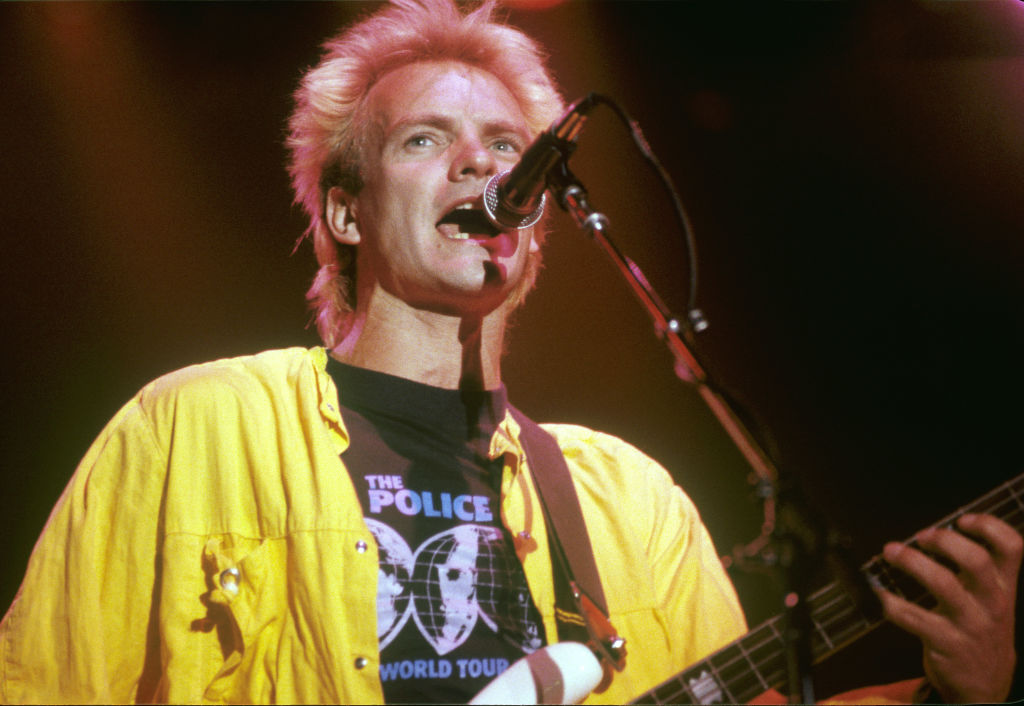
“King of Pain” mixed sorrow with stadium-sized drama and remains one of Sting’s finest vocal performances. “Wrapped Around Your Finger” brought mystical poetry and haunting beauty. “Tea in the Sahara” floated in like a desert dream, eerie and hypnotic. Even the smaller tracks, like “Murder by Numbers,” carried enough style to embarrass most bands’ greatest hits collections.
The anniversary celebrations surrounding Synchronicity have reminded fans just how huge this album really was. It dominated charts, sold millions, and won Grammy Awards while MTV played its videos nonstop. But behind the scenes, tensions inside the band were boiling over. Sting, Stewart Copeland, and Andy Summers were barely speaking during parts of the recording process, which somehow added even more electricity to the music.
Its impact on music was colossal. The album helped redefine pop-rock by blending reggae rhythms, punk energy, jazz textures, and polished mainstream hooks. Countless bands copied its nervous energy and emotional intensity throughout the 1980s and beyond. Even today, echoes of Synchronicity can be heard in alternative rock, indie pop, and modern stadium anthems.
Few albums capture genius, conflict and superstardom in such explosive fashion. Synchronicity was not just the sound of a band at its peak, it was the sound of a band burning brilliantly before collapse.


