How Black Sabbath Changed Rock Forever
Before Black Sabbath, hard rock was mostly blues riffs, flashy guitars, and party music. Then four working-class guys from Birmingham, England came along and made music that sounded like the end of the world.
The band formed in the late 1960s in a grim industrial city filled with factories, smoke, and endless gray skies. Guitarist Tony Iommi, bassist Geezer Butler, drummer Bill Ward, and singer Ozzy Osbourne weren’t rich rock stars. They were blue-collar kids surrounded by pollution, unemployment, and rough neighborhoods.
And that darkness poured straight into their music.
Everything about Black Sabbath sounded different. The riffs were slower. Heavier. Meaner. Songs talked about war, fear, insanity, and evil instead of peace and love. Parents panicked. Religious groups attacked them. Critics trashed them.
Fans loved every second of it.
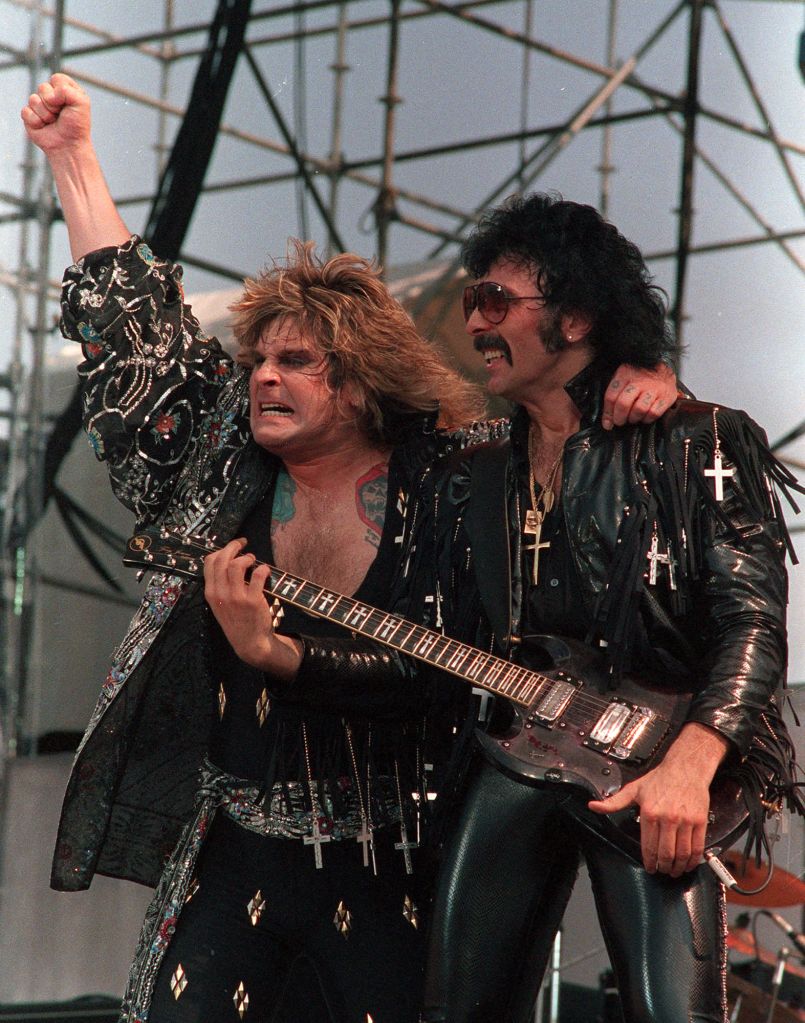
Their self-titled debut album in 1970 hit like a horror movie blasting through a stereo speaker. Then came classics like Paranoid, Master of Reality, and Vol. 4. Songs like “Iron Man. ” “War Pigs. ” and “Paranoid” became the blueprint for heavy metal itself.
But the success came with massive destruction behind the scenes.
The band’s drug use became legendary. Cocaine reportedly covered recording studio tables. Alcohol flowed nonstop. Stories from the road sounded like total madness. Hotel rooms destroyed. Wild parties. Band members barely remembering entire tours.
Meanwhile, Ozzy Osbourne became increasingly unpredictable. His drinking and drug use spiraled badly by the late 1970s. Eventually the band reached its breaking point.
In 1979, Ozzy was fired from Black Sabbath. Fans were shocked. The man who practically became the face of heavy metal was suddenly gone from the band that created it.
But the story didn’t end there.

Ozzy Osbourne launched a solo career that exploded worldwide with albums like Blizzard of Ozz. Meanwhile Black Sabbath continued with singer Ronnie James Dio, creating a whole new era of metal greatness.
Over the decades, reunions, feuds, addictions, and health scares followed the band members constantly. Yet somehow their legacy only grew larger.


