The Night Led Zeppelin Nearly Crashed
By the mid-1970s, Led Zeppelin wasn’t just a rock band, they were practically a traveling kingdom of excess. Private jets, sold-out arenas, hotel destruction, mountains of cash and enough backstage madness to make modern rock stars look like choir boys. Robert Plant strutted like a golden god, Jimmy Page looked like a dark wizard with a guitar, and John Bonham hit drums like he was trying to start a war.
But behind the screaming fans and platinum albums, the wheels were beginning to wobble.
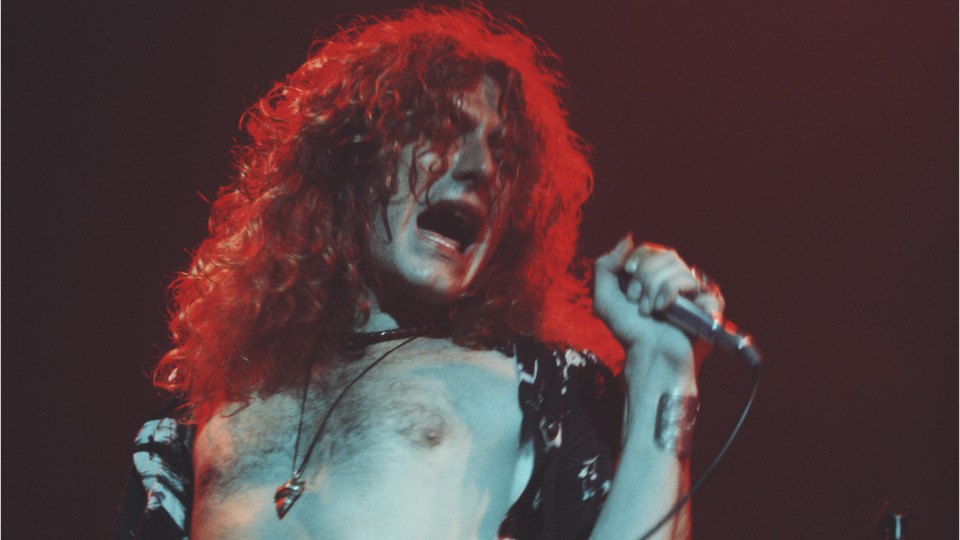
In 1977, Zeppelin launched one of the biggest tours in rock history across America. Every night was chaos: limousines, booze, groupies and marathon concerts that left fans stunned. Then disaster struck. While the band was touring, Robert Plant got the horrifying news that his young son Karac had suddenly died from a stomach virus back in England. The tour stopped cold. Plant was shattered and rumors exploded that Led Zeppelin might never return.
The tragedy changed everything. Jimmy Page was battling heroin addiction. Bonham’s drinking was becoming legendary for all the wrong reasons. The untouchable kings of rock suddenly looked fragile.
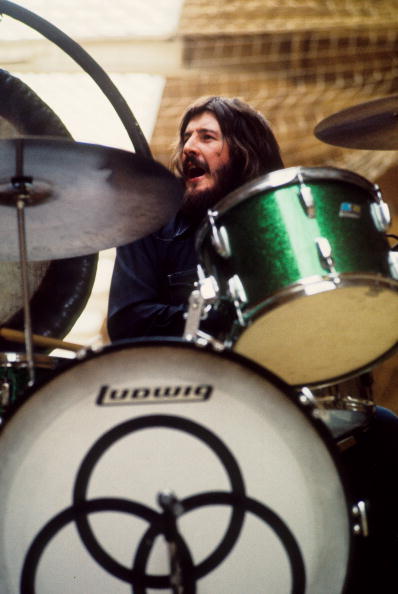
Still, Zeppelin tried to push forward. In 1980 they planned a major comeback tour. Fans were ready. Promoters were throwing money around like confetti. Then came the final blow. John Bonham drank heavily during rehearsals and died in his sleep at age 32.
Just like that, the biggest rock band in the world ended overnight.
Instead of replacing Bonham, the surviving members shut it down immediately. No farewell tour. No fake reunion singer. No watered-down comeback. Led Zeppelin became something rare in rock history: a legend frozen in time — dangerous, mysterious and forever larger than life.


