ROCK MOMENT – The Rolling Stones ‘Sympathy For The Devil’
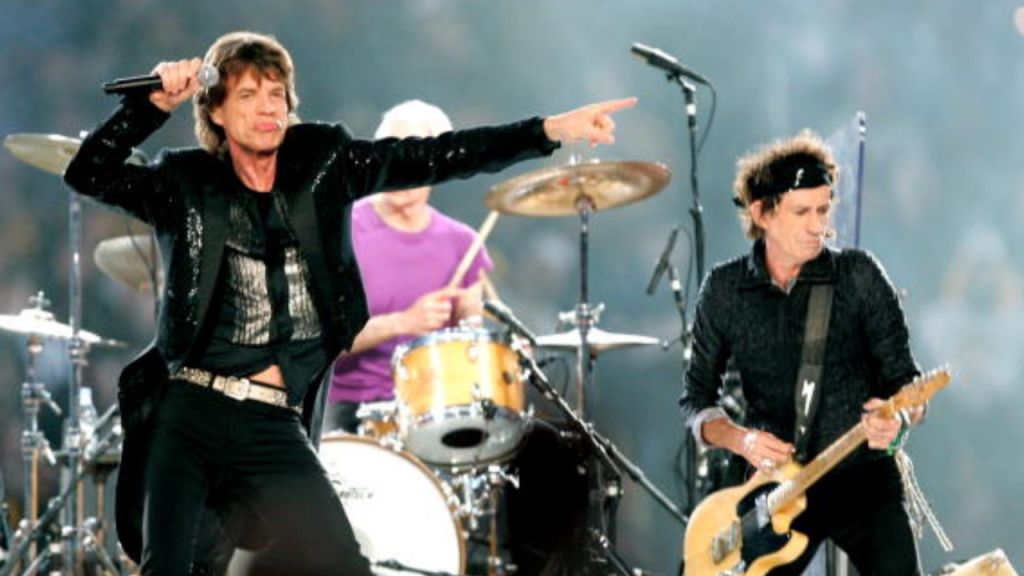
Released in 1968 on the album Beggars Banquet, ‘Sympathy for the Devil’ became one of the most daring and controversial songs ever recorded by The Rolling Stones. Written primarily by singer Mick Jagger and guitarist Keith Richards, the song combined rock, blues, samba rhythms, and provocative storytelling into a track that shocked audiences and cemented the Stones’ reputation as rock’s ultimate bad boys.
The inspiration for the song came partly from literature. Mick Jagger was heavily influenced by the novel The Master and Margarita by Russian author Mikhail Bulgakov, a story in which the Devil appears as a charming, observant figure commenting on human corruption. Jagger used that concept to create lyrics told from the perspective of Lucifer himself, who witnesses and participates in some of history’s darkest moments. References in the song include the crucifixion of Christ, the Russian Revolution, World War II, and political assassinations of the 1960s.
Originally, the song began as a slower folk-style piece led by acoustic guitar. During recording sessions in London, however, Keith Richards suggested transforming it with a driving samba-inspired rhythm. The result was unlike anything the Rolling Stones had recorded before. Producer Jimmy Miller added percussion and a hypnotic groove, while the famous “woo woo” backing vocals emerged spontaneously in the studio and became one of the song’s defining features.
The recording sessions were captured in the documentary film One Plus One directed by Jean-Luc Godard. The footage showed the band building the song layer by layer, giving fans a rare glimpse into the Stones’ creative process during one of their most artistically important periods.
Despite its artistic ambition, ‘Sympathy for the Devil’ sparked controversy almost immediately. Some critics and religious groups accused the Rolling Stones of promoting Satanism because of the song’s perspective and imagery. The band repeatedly denied those claims, explaining that the song was actually about the darkness within humanity rather than worshipping evil. Jagger later said the lyrics were intended as a commentary on mankind’s capacity for violence and cruelty.
Over the decades, ‘Sympathy for the Devil’ has become one of the Rolling Stones’ signature songs and a landmark in rock history. Its hypnotic groove, sharp lyrics, and unforgettable chorus helped redefine what rock music could explore artistically and lyrically. More than fifty years later, the song remains both controversial and celebrated, standing as one of the boldest recordings of the classic rock era.


