Solar energy regret stories: The dark side of residential rooftop solar
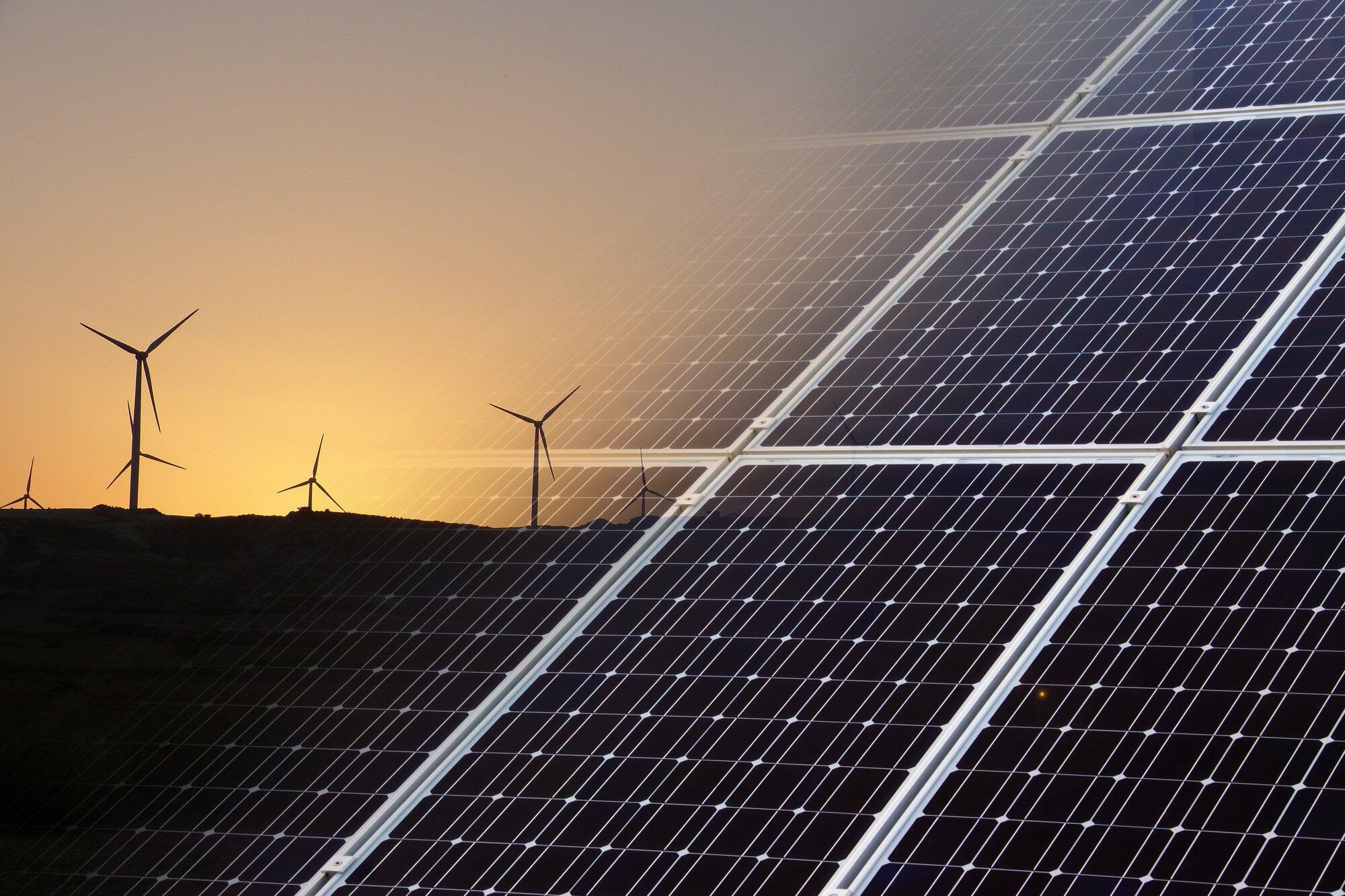
Solar energy is a clean alternative to fossil fuels, but homeowners regret the switch since there are higher upfront costs than expected, and the savings don’t always match their expectations. There are also complicated installation and maintenance issues, as well as an impact on home value and selling challenges.
According to the Solar Energy Industries Association (SEIA), there are over 5 million solar installations in the US. The sheer number alone should motivate homeowners to switch to solar energy, but the reality is that the experience may not always be pleasant.
Many people go through solar customer remorse for the following reasons.
Are There Higher Upfront Costs Than Expected?
One of the most common regrets people have after switching to solar is the unexpected high upfront investment. Solar panels are marketed as a long-term money saver, but the initial costs for the following things can add up quickly:
- Equipment
- Installation
- Permits
- Potential roof upgrades
There are often hidden solar contract fees in addition to the above costs.
If homeowners can’t afford the system outright, then they may be locked into high-interest solar loans, too. They may also underestimate additional costs, like maintenance, inverter replacements, or battery storage systems.
Without careful financial planning and realistic projections, the initial investment can feel more burdensome than beneficial.
Savings Don’t Always Match Expectations
Many people switch to solar and expect dramatic reductions in their utility bills. The reality doesn’t always align with those expectations, though.
Energy savings depend on several variables, including:
- Local utility rates
- System size
- Energy consumption habits
- Weather conditions
Some homeowners may still rely on grid electricity more than anticipated. Net metering policies can change, too, and this reduces the value of excess energy sent back to the grid.
Complicated Installation and Maintenance Issues
The solar panel installation process can be more complex than expected. The timeline can stretch, from navigating permits and inspections to coordinating with installers and utility companies.
There may also be installation errors or poor workmanship due to low contractor quality. Some homeowners even experience roof damage after solar installation.
Maintenance can be a hassle, too, even though it’s generally minimal. Panels may need:
- Cleaning
- Repairs
- Component replacements
Monitoring systems and inverters may require troubleshooting over time as well, which isn’t ideal for homeowners who want a simple “set-it-and-forget-it” solution.
What Impact Does It Have on Home Value and Selling?
Solar panels can increase a home’s appeal in some markets, but they can also complicate the selling process.
Some potential buyers may be hesitant about taking over solar loans or leases, and they may not value solar as highly as sellers expect. There may even be aesthetic concerns or roof condition issues that can deter interest.
If a homeowner finds that their solar investment doesn’t translate into a higher resale value, or it becomes a hurdle in closing a deal, then solar cancellation may be an option.
Some Homeowners Regret Getting Solar Energy
The way forward is clean and renewable energy, and that includes solar power. Some homeowners regret getting solar energy, though, so make sure you understand everything that comes with it before you commit.
Find more interesting articles by browsing more of our pages.


