The “Cocaine Hippos” Are Real
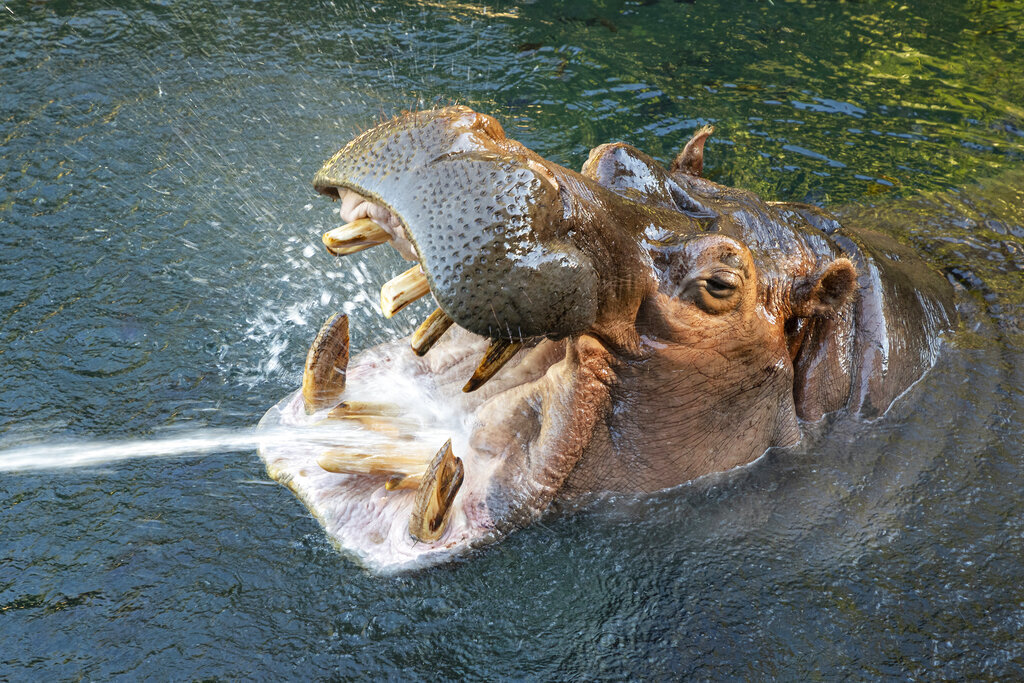
Back in the 1980s, drug lord Pablo Escobar decided his empire needed a little flair—so he imported exotic animals, including four hippos, to his estate, Hacienda Nápoles. Fast forward to 1993: Escobar is gone, the government takes over… and the hippos basically say, “Cool, we live here now.” They wander off into the wild, settle into the Magdalena River, and start living their best lives.
And by “best lives,” we mean multiplying like crazy.
Turns out, Colombia is hippo paradise. No predators? Check. Warm, comfy climate? Check. Unlimited dating opportunities? Double check. Add in the fact that hippos are huge, territorial, and not exactly shy, and you’ve got an invasive species dream scenario, if you’re a hippo. Those original four have ballooned into about 170, with projections hitting a wild 1,000 by 2035 if nobody intervenes.
The problem? These aren’t cute, harmless mascots. Hippos are actually among the most dangerous animals on Earth. They’re aggressive, unpredictable, and not fans of sharing rivers with humans. Their waste also messes with the ecosystem, triggering algal blooms and turning parts of the river into a science experiment no one signed up for. Locals, including fishermen, are increasingly avoiding areas just to stay safe.
Colombia has tried a bit of everything: sterilization (slow and pricey), relocation (imagine moving a tank with teeth), and even culling (which sparked major backlash). None of it has been a perfect fix.
Now enter Anant Ambani, son of billionaire Mukesh Ambani, offering to relocate 80 of these chunky escape artists to a wildlife sanctuary in India. Sounds like a win-win, right?
Well… maybe. Critics point out that the sanctuary has faced scrutiny from the Supreme Court of India, raising one big question: are we solving a bizarre problem or just exporting it with a bow on top?
Lana Backman


