ROCK MOMENT – Motley Crue ‘Shout At The Devil’
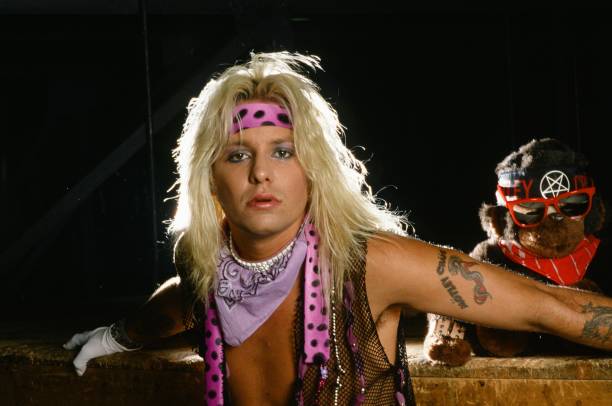
When Mötley Crüe released Shout at the Devil in 1983, they weren’t just putting out their second record—they were redefining their image and helping shape the emerging glam metal movement of the 1980s. Coming off the modest success of their debut Too Fast for Love, the band—Vince Neil, Nikki Sixx, Mick Mars, and Tommy Lee—set out to create something darker, louder, and far more provocative.
The title track, Shout at the Devil, became the centerpiece of that vision. Built around a pounding rhythm and ominous guitar riffs, the song leaned heavily into theatrical themes of rebellion and confrontation. At a time when heavy metal bands were pushing boundaries, Mötley Crüe took things further by embracing controversial imagery, including pentagrams and occult-inspired visuals. This sparked backlash from some religious groups, who misinterpreted the song as promoting Satanism. In reality, the band maintained that the track was more about standing up to evil and asserting control over one’s own life.
The production of the album, handled by Tom Werman, gave the band a sharper, more polished sound compared to their raw debut. It helped elevate their music to a wider audience, and Shout at the Devil quickly became a commercial breakthrough, eventually achieving multi-platinum status. Songs like ‘Looks That Kill’ and ‘Too Young to Fall in Love’ further cemented their place in the rising MTV era, where their outrageous style and high-energy performances made them stand out.
Over time, ‘Shout at the Devil’ has become one of Mötley Crüe’s signature songs, symbolizing their rebellious spirit and larger-than-life persona. The album marked a turning point—not just for the band, but for the entire glam metal scene—setting the stage for the explosion of hard rock acts that would dominate the rest of the decade.


