10 Bands That Successfully Replaced Their Lead Singer
10 Bands That Successfully Replaced Their Lead Singer (and 10 That Failed) - Page 2
Share the post
Share this link via
Or copy link
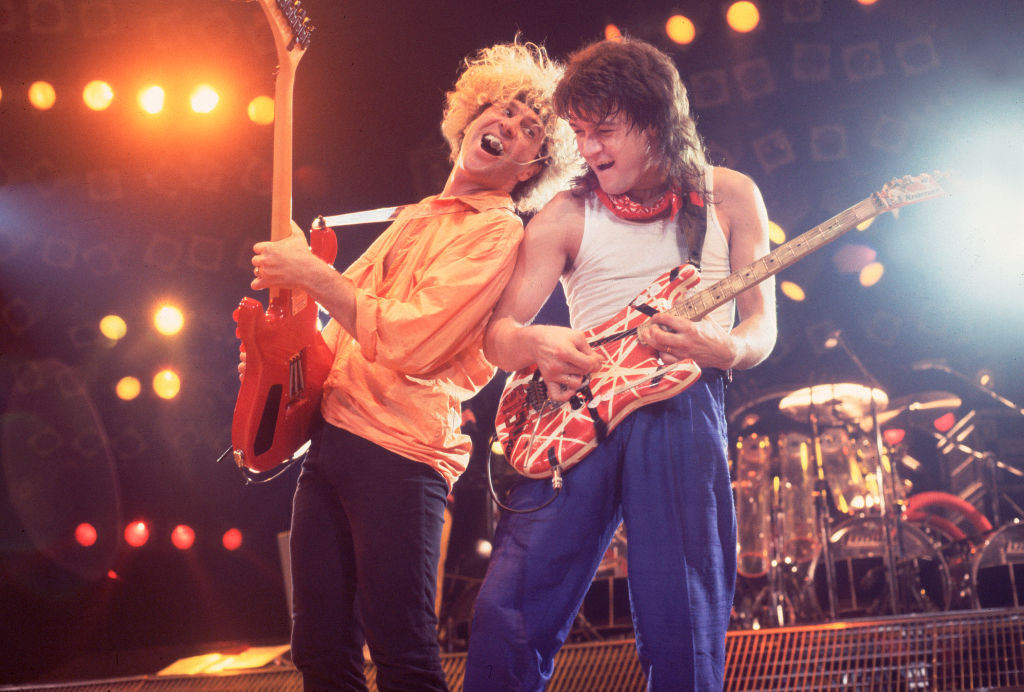
Replacing a lead singer can make or break a band. Some groups find lightning twice, while others lose the sound that made them famous. It’s one of rock’s toughest challenges — and fans never forget how it plays out.
RELATED: Journey’s Farewell Tour Faces Turmoil from All Sides
From arena rock giants to cult legends, history is full of bold swaps. Sometimes it sparks a new era of hits. Other times, it exposes just how tied a band’s identity is to one voice.
RELATED: Ranking Every Song by Kansas
Here’s a look at 10 bands that successfully replaced their lead singer — and 10 that didn’t.
Success: AC/DC Replaces Late Bon Scott with Brian Johnson
After Bon Scott’s death in 1980, AC/DC turned to Brian Johnson and didn’t just survive — they exploded. Back in Black became one of the best-selling albums ever. Johnson kept the grit and swagger intact, proving a replacement can honor the past while pushing a band into an even bigger future.
Failure: John Fogerty Gives Up Creative Control in CCR
When John Fogerty gave up full creative control, Creedence Clearwater Revival lost its identity almost instantly. Mardi Gras exposed the gap, with uneven songwriting and poor reception. Without Fogerty’s consistent voice and vision leading the way, one of America’s biggest bands unraveled overnight.
Success: Black Sabbath Replaces Osbourne with Dio
Ozzy Osbourne defined early Black Sabbath, but Ronnie James Dio gave the band a fresh identity. Heaven and Hell revitalized their sound with a more melodic, fantasy-driven edge. It wasn’t the same Sabbath — but it was successful, respected and proved the band could evolve beyond its original frontman.
Failure: Skid Row Replaces Bach with Solinger
Sebastian Bach’s voice and attitude defined Skid Row’s success. After his departure, the band cycled through singers but never regained its commercial footing. While later versions found a niche audience, the mainstream impact of their early ’90s peak never returned.
Success: Fleetwood Mac Brings in Buckingham & Nicks
Fleetwood Mac didn’t just replace a singer — they reinvented themselves. The addition of Lindsey Buckingham and Stevie Nicks transformed the band into a pop-rock powerhouse. Rumours became a cultural phenomenon, showing how a bold lineup shift can completely redefine a band’s ceiling and legacy.
Failure: Great White Fractures without Jack Russell
Jack Russell’s bluesy vocals were central to Great White’s identity. Legal battles and lineup fractures left the band split and inconsistent. Without a unified front and recognizable voice, the group struggled to maintain relevance beyond its heyday.
Success: Iron Maiden Replaces Di’Anno with Dickinson
Bruce Dickinson’s arrival elevated Iron Maiden from promising to legendary. His operatic range and stage presence helped define the band’s signature sound. Albums like The Number of the Beast launched them into global stardom, making this one of the clearest examples of a replacement improving a band’s trajectory.
Failure: Mötley Crüe Replaces Neil with Corabi
John Corabi brought strong vocals, but fans didn’t embrace the change. The 1994 self-titled album received solid reviews but underperformed commercially. Without Vince Neil’s signature sound and image, Mötley Crüe lost the larger-than-life feel that drove its earlier success.
Success: Alice in Chains Reforms with William DuVall
Replacing the late Layne Staley felt impossible, but William DuVall helped Alice in Chains move forward respectfully. Instead of copying Staley, DuVall blended with Jerry Cantrell to preserve the band’s dark, layered sound. Their later albums proved the group could continue without losing the emotional weight that defined them.
Failure: The Doors Continue on After Morrison
After Jim Morrison’s death in 1971, the remaining members of The Doors attempted to carry on, even sharing vocal duties. The results lacked the mystique and charisma Morrison brought. Interest quickly faded, and the band’s post-Morrison era is largely forgotten.
Success: Pink Floyd Replaces Barrett with Gilmour
After Syd Barrett’s departure, David Gilmour became a defining voice for Pink Floyd. His guitar work and vocals shaped classics like The Dark Side of the Moon and Wish You Were Here. The band evolved from psychedelic beginnings into one of the most influential acts in rock history.
Failure: Thin Lizzy Reforms After Lynott
Phil Lynott wasn’t just the singer — he was Thin Lizzy. Later versions of the band kept the music alive, but without Lynott’s presence, the identity felt incomplete. The reformations leaned more on nostalgia than creating new, defining moments.
Success: Van Halen Replaces Roth with Hagar
Sammy Hagar brought a more polished, radio-friendly sound to Van Halen. The band scored four consecutive No. 1 albums and expanded its audience. While fans still debate the David Lee Roth versus Hagar eras, the commercial success of the Hagar years proves the band didn’t just survive — it thrived in a different lane.
Failure: Van Halen Replaces Hagar with Roth (Briefly) and Cherone
After Hagar’s exit, Van Halen struggled to find stability. A brief Roth reunion fizzled quickly, and the Gary Cherone era failed to connect with fans, thanks to the underwhelming Van Halen III. The band lost momentum, showing how even successful replacements don’t guarantee long-term consistency.
Hagar would briefly rejoin the band in 2003 once it returned from a four-year hiatus, but would depart following their 2004 summer tour. Van Halen wouldn’t find consistency again until Roth rejoined in 2006, but unfortunately longtime bassist Michael Anthony, whose backing vocals gave the band its unique vocal sound, was excluded from the reunion.
Success: Deep Purple Replaces Evans with Gillan
Ian Gillan’s arrival helped define Deep Purple’s classic sound, ushering in the band’s “Mark II” era. His powerhouse vocals on Machine Head and “Smoke on the Water” cemented the band’s place in rock history. The shift brought a heavier, more dynamic edge that pushed the band into its most iconic era.
Failure: Bad Company Reforms Without Rodgers
Paul Rodgers’ voice defined Bad Company’s bluesy rock sound. While the band’s reformation with Brian Howe fronting the band saw some success with 1990’s Holy Water, the new era failed to live up to its past. The new hair-metal sound failed to separate the band from other acts at the time. The band continued touring, but its creative peak remained firmly tied to the Rodgers era.
Success: Journey’s Rolie Era Fades as Perry Rises
Journey’s transition wasn’t just about adding Steve Perry — it was about Gregg Rolie stepping away from the frontman role. As Rolie shifted out, Perry’s soaring vocals pushed the band toward a more melodic, radio-friendly sound. That change turned Journey into arena rock staples, delivering massive hits and defining the band’s commercial peak.
Rolie hand picked keyboardist Johnathan Cain to replace him, and his successor would go on to have a major influence on the band’s sound.
Failure: Journey Continues on Without Perry
Journey has continued with talented singers after Perry left again in 1998, but the post-Perry era hasn’t matched its peak. Recent years have also brought internal disputes and legal tension within the group. While the songs endure with longtime singer Arnel Pineda, the band’s modern chapter has been defined as much by dysfunction as performance.
Success: Doobie Brothers Bring in Michael McDonald
Michael McDonald took the Doobie Brothers in a completely new direction. His soulful voice and keyboard-driven style led to massive hits like “What a Fool Believes.” While different from their earlier sound, the change proved wildly successful and expanded the band’s reach.
Failure: Kansas Replaces Walsh with Elefante
John Elefante helped Kansas score hits like “Play the Game Tonight,” but the band couldn’t sustain its earlier momentum. The shift marked a move away from the sound that built its fanbase, and long-term success never matched the heights of the Steve Walsh era.
Related Tags
AC/DC Alice in Chains Arnel Pineda Bad Company Black Sabbath Bon Scott Brian Howe Brian Johnson Bruce Dickinson Creedence Clearwater Revival David Gilmour Deep Purple Fleetwood Mac Gary Cherone Great White Gregg Rolie Ian Gillan Iron Maiden Jack Russell Jerry Cantrell Jim Morrison John Corabi John Elefante John Fogerty Johnathan Cain Journey Kansas Layne Staley Lindsey Buckingham Michael McDonald Mötley Crüe Phil Lynott Pink Floyd Ronnie James Dio Sammy Hagar Sebastian Bach Skid Row Steve Perry Steve Walsh Syd Barrett The Doors Van Halen Vince Neil William DuVall


