Avoid surprise RV repairs with these smart storage habits
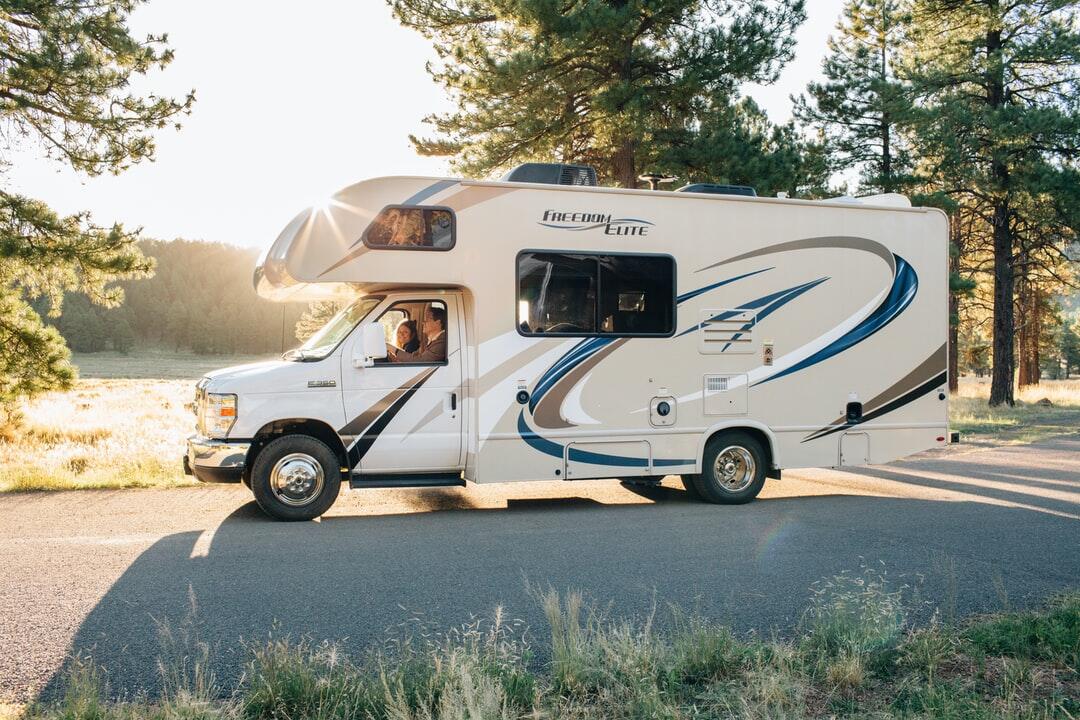
You can avoid RV repairs by having good storage habits, such as keeping weight distributed and within limits and using moisture-control solutions. You can also secure items to prevent interior damage and store hoses, cables, and equipment properly.
The RV Industry Association reports that 8.1 million American households own an RV, and 16.9 million households express a strong interest in purchasing one within the next five years. Van life is appealing to a wide range of people; however, most don’t live it full-time.
You must put your vehicle in storage during the off-season, but if you don’t do it correctly, you’ll need costly RV repairs. Here are RV upkeep strategies you can use to avoid them.
Keep Weight Distributed and Within Limits
You can prevent RV damage by keeping weight distributed within limits when putting it in an RV storage facility. Overloading one side or exceeding your vehicle’s weight capacity can strain:
- Suspension components
- Tires
- The frame
You can avoid this by storing heavier items low and centered (ideally near the axle). Use the storage compartments strategically rather than cramming everything into one area.
You should periodically weigh your RV to ensure you’re within safe limits, especially before long trips. Uneven weight can also affect braking and handling, and this can increase wear and tear over time.
How Can Moisture-Control Solutions in Storage Areas Help?
Moisture buildup is a silent cause of many RV repairs, as it can lead to:
- Mold
- Mildew
- Wood rot
- Electrical damage
You can avoid RV repair costs by using moisture absorbers, dehumidifiers, or silica gel packs in cabinets and compartments. Pay special attention to areas like:
- Under sinks
- Near plumbing lines
- In basement storage bays
Ventilation is just as important. Regularly check for condensation or musty odors.
Secure Items to Prevent Interior Damage
Loose items can shift during travel, and they can cause more damage than you might expect. Heavy objects can slide, fall, or collide with cabinetry, and this can lead to:
- Dents
- Scratches
- Broken fixtures
Useful items that can help keep everything in place include:
- Non-slip liners
- Storage bins
- Adjustable dividers
- Velcro straps
- Bungee cords
Make sure cabinet latches are functional and strong enough to stay closed on rough roads.
How Can You Store Hoses, Cables, and Equipment Properly?
Hoses, power cables, and connectors can become tangled, cracked, or damaged if you store them improperly. This can lead to leaks or electrical issues.
Always coil hoses neatly and store them in designated compartments or protective bins. Electrical cords should also be kept dry and free from dirt or corrosion by using weatherproof storage containers. You should also separate clean water hoses from sewer ones to prevent contamination.
You can make things easier on yourself when it’s time to travel again by labeling storage bins. This will help you quickly access what you need without unnecessary handling.
Prevent Costly RV Repairs With These Tips
RV repairs can be expensive, so you want to prevent them from happening in the first place. Proper RV storage is necessary, so take the extra time and care to ensure your vehicle is safely tucked away.
Check out our other pages if you want to keep reading interesting posts.