ROCK MOMENT – Genesis ‘I Can’t Dance’
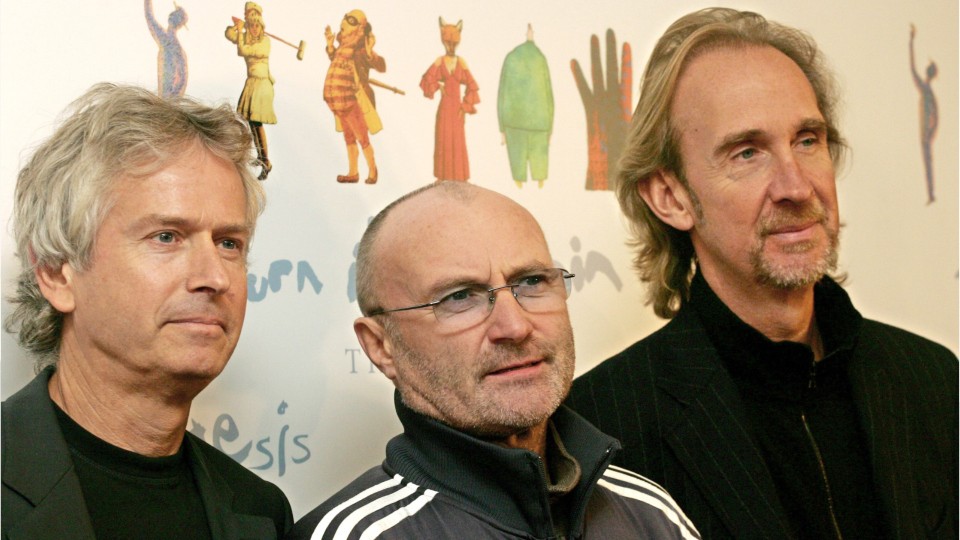
Released in 1991, ‘I Can’t Dance’ by Genesis became one of the band’s most recognizable late-era hits, showcasing their ability to blend humor, social commentary, and a signature groove. The song appeared on their album We Can’t Dance, which marked the final studio release featuring the classic trio of Phil Collins, Tony Banks, and Mike Rutherford.
The origins of ‘I Can’t Dance’ came together during jam sessions at their studio, where Rutherford began experimenting with a simple, chunky guitar riff. At first, the band wasn’t sure what to make of it—it felt almost too basic compared to their traditionally complex arrangements. But that stripped-down groove became the backbone of the track, allowing the band to explore a more laid-back, almost tongue-in-cheek style.


Lyrically, the song was inspired by the fashion and advertising world of the early ’90s, particularly the often over-the-top image of male models in commercials. Collins crafted the lyrics with a sense of satire, poking fun at the exaggerated masculinity and awkward posturing he saw in those campaigns. Lines like “I can’t dance, I can’t talk” reflect a character who looks the part but lacks substance—highlighting the absurdity behind the polished images.
The song’s music video played a huge role in its success, featuring Collins humorously mimicking the stiff, robotic walk of runway models. His exaggerated strut became iconic, perfectly capturing the song’s playful critique and helping it gain heavy rotation on MTV.
Despite its lighthearted tone, ‘I Can’t Dance’ was a major commercial success, reaching the Top 10 in multiple countries, including the United States. It also earned Grammy nominations and became one of Genesis’s last big hits before Collins departed the band later in the decade.
Today, ‘I Can’t Dance’ remains a standout moment in Genesis’s catalog—a reminder that even a band known for progressive rock epics could embrace simplicity, humor, and cultural commentary, all while creating a song that still resonates with audiences decades later.


