ROCK MOMENT – Led Zeppelin ‘When The Levee Breaks’
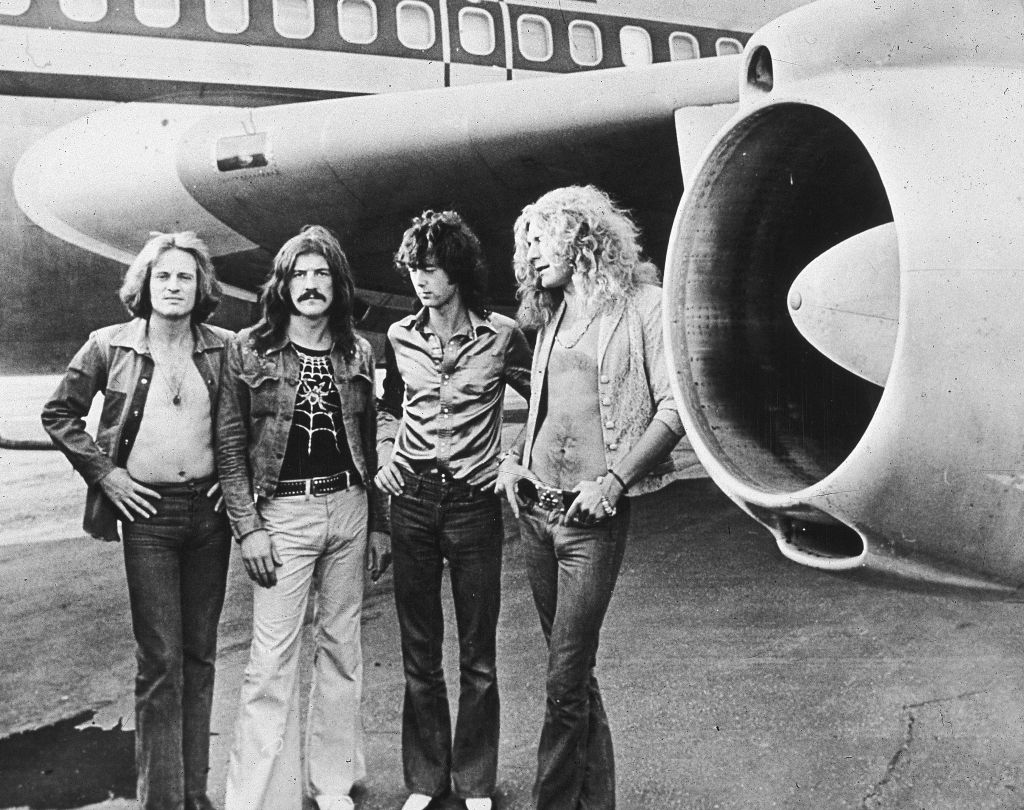
‘When the Levee Breaks’ stands as one of the most powerful and atmospheric recordings in the catalog of Led Zeppelin. Released in 1971 on their landmark fourth album, commonly known as Led Zeppelin IV, the song has roots that stretch far deeper than the band itself—back to the Mississippi Delta blues tradition of the 1920s.


The song was originally recorded in 1929 by Kansas Joe McCoy and Memphis Minnie, inspired by the devastation of the Great Mississippi Flood of 1927. Their version captured the fear and displacement caused by the disaster, with raw lyrics reflecting the human toll of the flooding. Decades later, Led Zeppelin reimagined the song, transforming it into a thunderous blues-rock epic while retaining its haunting core.
The band’s version is perhaps best known for the massive drum sound created by John Bonham. Recorded in the stairwell of Headley Grange using a distant microphone setup, Bonham’s beat became one of the most sampled drum tracks in music history. The echoing, cavernous sound gave the song an almost apocalyptic feel, perfectly matching its lyrical themes.
Jimmy Page played a key role in shaping the track’s sonic identity, heavily processing the instruments and slowing down the final mix to create a dense, swampy texture. Meanwhile, Robert Plant delivered vocals through harmonica and effects, enhancing the song’s eerie, distant quality.
Unlike a straightforward cover, Led Zeppelin’s ‘When the Levee Breaks’ is a full reinterpretation—expanding a simple blues structure into a layered, almost hypnotic experience. Its influence has extended far beyond rock, particularly in hip-hop and electronic music, where Bonham’s drum pattern has been widely sampled.
Today, the track is celebrated not only as a highlight of Led Zeppelin IV but also as a bridge between early American blues and modern rock innovation, preserving history while reinventing it for a new generation.

![[WATCH] Randy Jackson of Zebra - Full Interview](https://houstonseagle.com/wp-content/uploads/sites/105/2025/04/17456935134797.png?strip=all&quality=80&w=150&crop=0,0,100,150px)

