ROCK MOMENT – KISS ‘Love Gun’
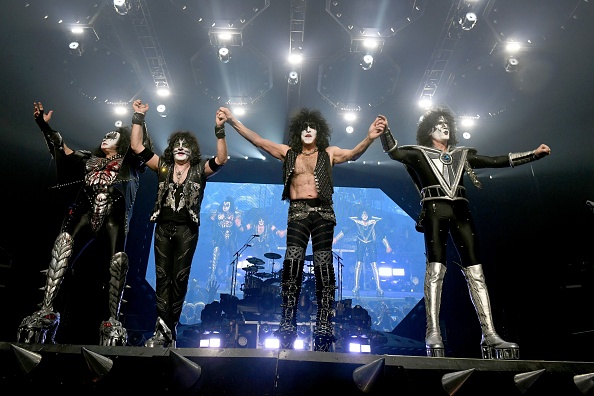
When KISS released ‘Love Gun’ in 1977, it became one of the most defining songs of their larger-than-life career. The track served as the title song for their sixth studio album, Love Gun, and perfectly captured the band’s unapologetic mix of hard rock, theatricality, and tongue-in-cheek sexuality.
Written by frontman Paul Stanley, Love Gun’ was inspired by classic rock influences, particularly the raw energy of The Rolling Stones. Stanley has often cited the Stones’ swagger as a major influence on his songwriting, and that influence is evident in the song’s driving rhythm and confident attitude. Lyrically, ‘Love Gun’ is pure KISS—bold, provocative, and loaded with double entendre. The title itself became one of the band’s most recognizable metaphors, blending humor and sexuality in a way that fans immediately embraced.
At the time of its release, KISS was at the height of its popularity. Their elaborate stage shows—complete with fire-breathing, blood-spitting, and explosive pyrotechnics—had made them one of the biggest live acts in the world. ‘Love Gun’ quickly became a centerpiece of those performances, often featuring Stanley soaring over the crowd on a zipline while singing, further cementing the band’s reputation for spectacle.
Musically, the track stands out for its infectious riff, anthemic chorus, and tight arrangement. It also marked one of the last albums to feature the original lineup at full strength before internal tensions began to surface. Despite that, the chemistry between Stanley, Gene Simmons, Ace Frehley, and Peter Criss is undeniable on the recording.
Over the decades, ‘Love Gun’ has remained a cornerstone of KISS’s legacy. It embodies everything the band stood for in the 1970s—loud guitars, larger-than-life personas, and an unfiltered connection with their audience—making it one of their most iconic and enduring songs.


