How age affects flexibility (and how to improve it)
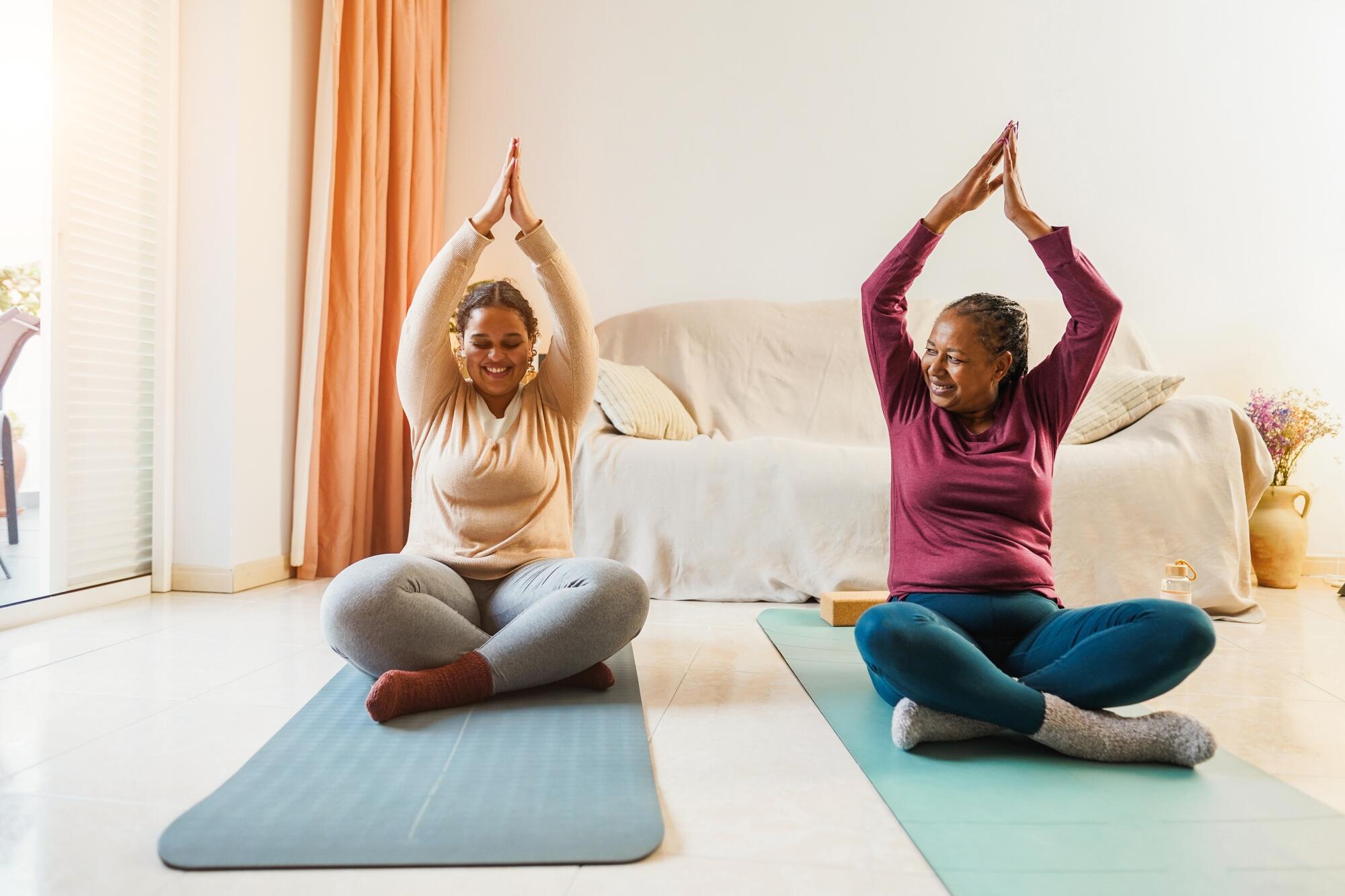
Aging is inevitable, and so is some degree of physical decline; that’s why professional sports players retire much sooner than those in conventional work. The rate of decline isn’t inevitable, according to the National Institute on Aging; older adults can protect and recover their range of motion through physical activity.
While you’re unlikely to become a professional contortionist when you’re well into your 60s, older adults can certainly improve their flexibility and physical well-being by doing flexibility exercises for seniors.
How Does Aging Impact Flexibility?
According to a peer-reviewed study by Hugo Baptista de Oliveira Medeiros et al that looked at 6,000 participants aged between 5 and 95, flexibility starts declining around midlife. Unfortunately for men, the decline is quicker; the study found male joints start stiffening up and losing motion around age 30.
For women, the decline starts to set in around 40. Elbows and knees, thankfully, take the longest to give out, but joints like the shoulders and hips are much more susceptible to wear and tear over time.
Why Degradation Happens
Joints lose range of motion as we age because:
- The collagen in tendons and ligaments loses elasticity
- Joints lose synovial fluid
- Muscle tissue stiffens
While these changes are inevitable to an extent (and partially driven by genetics), they’re highly influenced by lifestyle factors. Those who live a sedentary, inactive lifestyle experience these physical changes much more rapidly than those who live a more active lifestyle.
Why it Matters
Of course, reduced flexibility usually comes with pain and discomfort, but the consequences of not maintaining flexibility as you age can also affect your lifestyle. Being less flexible also means:
- Increased fall risk
- Reduced balance
- Difficulty performing activities of everyday living
In other words, the less flexible you are, the more likely it is that you’ll need to move into a senior care community. Those who want to maintain independence for as long as possible should take steps to safeguard their physical health.
Exercises for Improving Flexibility With Age
Older adults should try the following exercises to improve flexibility and maintain a good range of motion:
- Shoulder rolls
- Seated hamstring stretches
- Standing hip stretches
If you’re unsure where to begin or if you’re concerned about aches and pains, you should look for a local physiotherapist. The best way to find one in your area is to search for local physiotherapy. For example, if you live in Grande Prairie, try typing “physiotherapy in Grande Prairie” into Google. Generally, the top results will be the most popular, but make sure you check out reviews before committing.
According to Mike Studer et al., physiotherapists are uniquely positioned in that they’re able to prescribe physical activities and movements that will improve health outcomes and reduce pain and discomfort.
Manage Age-related Flexibility Changes and Stay Flexible in Old Age
Some degree of physical decline is an expected part of aging, but you can slow the rate of decline and even sometimes improve flexibility through regular exercise and stretches. If you have any doubt about doing exercises, or if you’re experiencing discomfort or pain while stretching, you should contact a qualified physiotherapist.
If you’re interested in learning more about similar topics relating to aging and health, check out the rest of our blog posts.

