ROCK MOMENT – Bryan Adams ‘Cuts Like A Knife’
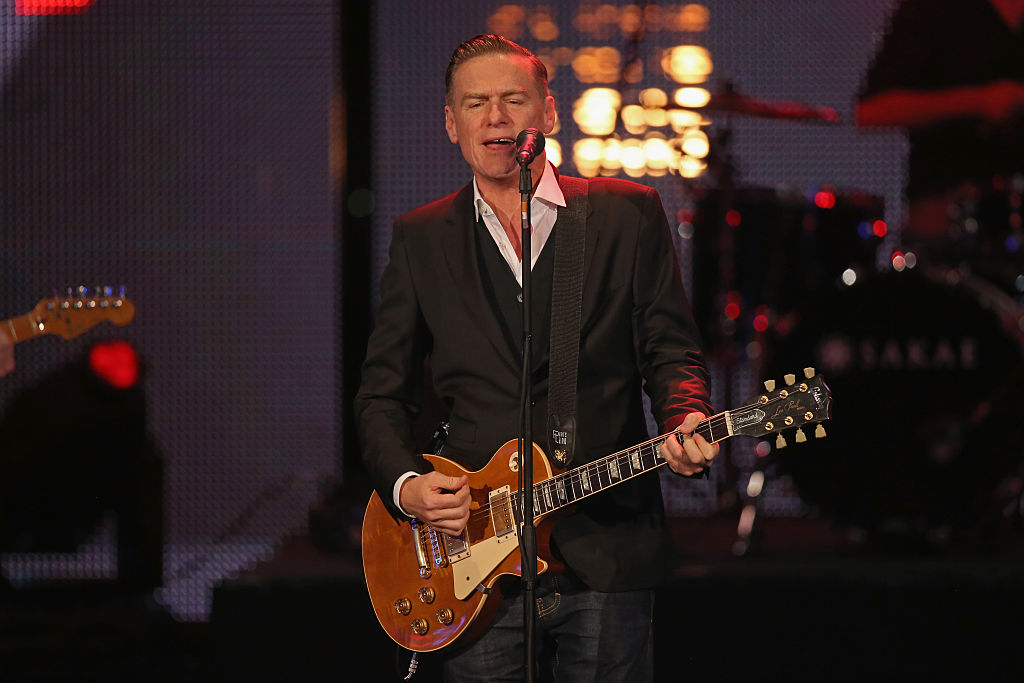
Released in 1983, ‘Cuts Like a Knife’ became one of the defining songs of Bryan Adams’ rise to international fame. The track served as the title song from his third studio album, Cuts Like a Knife, and marked a turning point that elevated him from a moderately successful Canadian artist to a global rock presence.


The song was co-written by Adams and his longtime collaborator Jim Vallance, a partnership that would yield many of Adams’ biggest hits. Written during a period when Adams was refining his sound, ‘Cuts Like a Knife’ blends emotional vulnerability with arena-ready rock energy. Lyrically, it explores the pain of heartbreak and betrayal, with a rawness that resonated strongly with listeners. The now-iconic chorus—featuring a crowd-style chant—was reportedly inspired by live performances, where Adams wanted audiences to feel directly involved in the song.
Recording sessions for the album took place in Vancouver, where Adams and Vallance worked meticulously to craft a polished yet edgy sound. The production leaned into the guitar-driven rock style that was dominating early 1980s radio, but Adams’ distinctive raspy voice gave the track a unique edge. Guitarist Keith Scott, a key member of Adams’ band, contributed memorable riffs that helped define the song’s character.
Upon its release, ‘Cuts Like a Knife’ received significant airplay on rock radio and MTV, which was rapidly becoming a powerful force in breaking artists. The song climbed the charts in both the United States and Canada, helping the album achieve multi-platinum status. Its success also paved the way for Adams’ next album, Reckless (1984), which would cement his status as a superstar.
Over the decades, ‘Cuts Like a Knife’ has remained a staple of Adams’ live performances and a fan favorite. It captures a moment when 1980s rock was evolving into a more polished, radio-friendly format while still retaining emotional authenticity. Today, the song stands as one of Bryan Adams’ signature tracks, symbolizing the breakthrough era that launched him into rock history.


