ROCK MOMENT – Fleetwood Mac ‘Tusk’
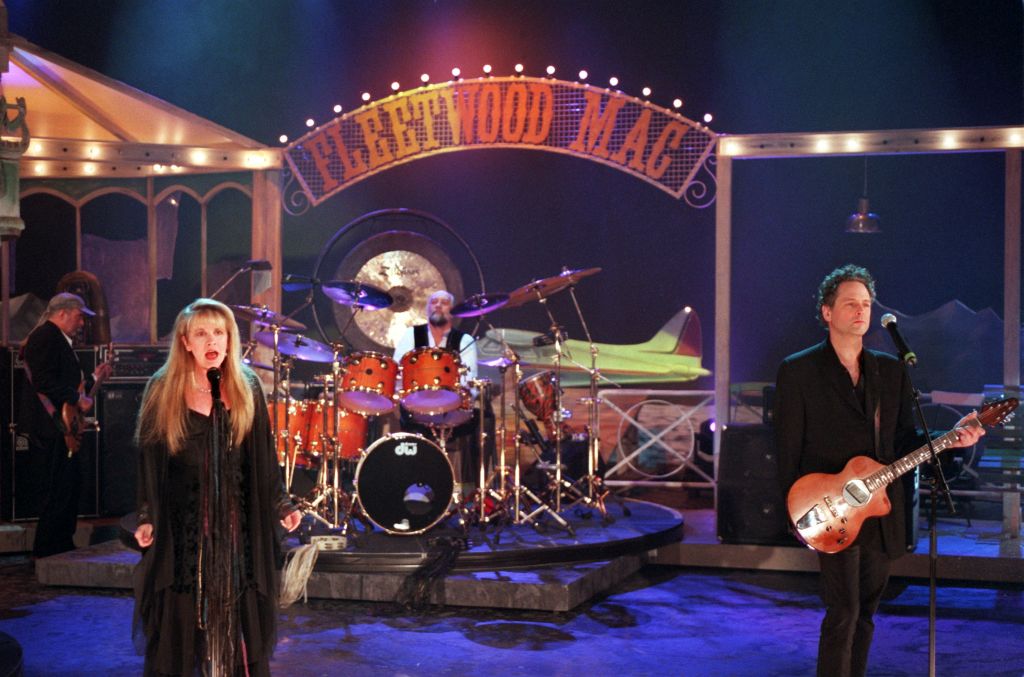
When Fleetwood Mac released ‘Tusk’ in 1979, it surprised fans and critics alike. Coming after the enormous success of the band’s 1977 album Rumours—one of the best-selling albums in music history—the group faced enormous pressure to follow it up with something equally commercial. Instead, they delivered one of the strangest and most experimental singles of their career.
‘Tusk’ was written by guitarist and vocalist Lindsey Buckingham, who had grown restless with the polished pop-rock sound that had made the band famous. Rather than repeating the formula that had produced hits like ‘Go Your Own Way’ and ‘Dreams,’ Buckingham wanted the next album to feel raw, unusual, and unpredictable. He began experimenting with unconventional recording techniques, often using basic equipment and layering unusual sounds to create a rougher, more avant-garde feel.



The recording sessions for the album Tusk became some of the most expensive in rock history at the time, reportedly costing over a million dollars. Yet the title track itself was built on a surprisingly simple foundation: a pounding drum beat, chanting vocals, and jagged guitar lines. Buckingham wanted the song to feel tribal and chaotic rather than polished.
To achieve that effect, the band took the recording outside the studio. In June 1979 they recorded part of the song at Dodger Stadium in Los Angeles with the University of Southern California Trojan Marching Band. The marching band’s brass instruments and percussion added a booming, celebratory energy to the track. Footage from that performance was even used in the song’s promotional video, which helped make it one of the earliest rock videos to receive heavy television exposure.
When ‘Tusk’ was released as the first single from the album, its unusual sound puzzled some listeners expecting another smooth pop hit. Still, the song climbed into the Top 10 in several countries and has since become one of Fleetwood Mac’s most distinctive recordings.
Today, ‘Tusk’ is remembered as a bold artistic statement—proof that Fleetwood Mac was willing to take creative risks even at the height of their commercial success. The song remains a testament to Buckingham’s experimental vision and the band’s willingness to push the boundaries of mainstream rock.

