ROCK MOMENT – David Bowie ‘Rebel Rebel’
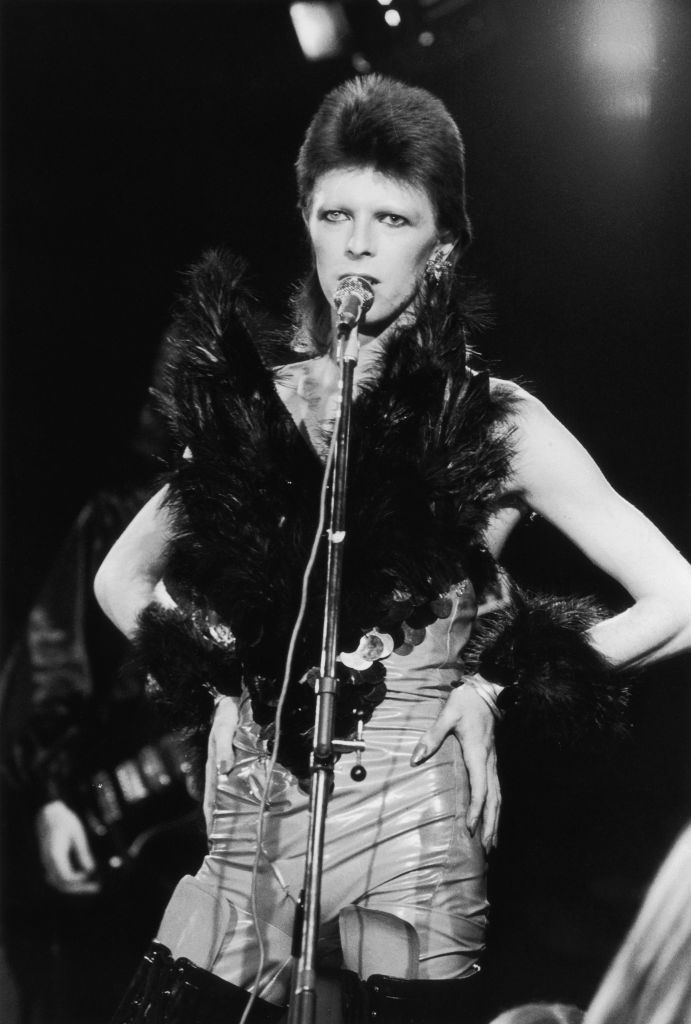
Released in 1974, ‘Rebel Rebel’ marked a pivotal moment in the career of David Bowie. Issued as the lead single from the album Diamond Dogs, the song became one of Bowie’s most enduring anthems and a final, glittering salute to his glam rock era.


By the time he began writing Diamond Dogs, Bowie was moving away from the flamboyant Ziggy Stardust persona that had defined his early-’70s success. Still, ‘Rebel Rebel’ carried the swagger and attitude of glam rock, driven by one of the most recognizable guitar riffs of the decade—played by Bowie himself. Unlike many of his earlier hits, which featured guitarist Mick Ronson prominently, Bowie took a more hands-on role during these sessions, playing much of the guitar work and shaping the track’s raw, gritty sound.
Lyrically, ‘Rebel Rebel’ celebrated youthful defiance and gender ambiguity. The famous opening line—“You’ve got your mother in a whirl / She’s not sure if you’re a boy or a girl”—captured Bowie’s ongoing fascination with identity and androgyny. During a time when rigid gender norms were the cultural standard, the song offered a bold, unapologetic embrace of individuality. It became a rallying cry for outsiders and misfits, reinforcing Bowie’s reputation as a boundary-breaking artist.
The recording sessions took place in London and later in the Netherlands, where Bowie worked with longtime collaborator Tony Visconti. The track’s stripped-down production, heavy on guitar and rhythm, gave it a rougher edge compared to some of his earlier, more theatrical work. Its driving beat and infectious hook made it instantly accessible.
‘Rebel Rebel’ reached the Top 10 in the UK and became a staple of Bowie’s live performances for decades. Though it emerged at the tail end of his glam phase, the song remains one of his signature tracks—a timeless anthem of rebellion, style, and fearless self-expression.

