ROCK MOMENT – The Cars ‘Moving In Stereo’
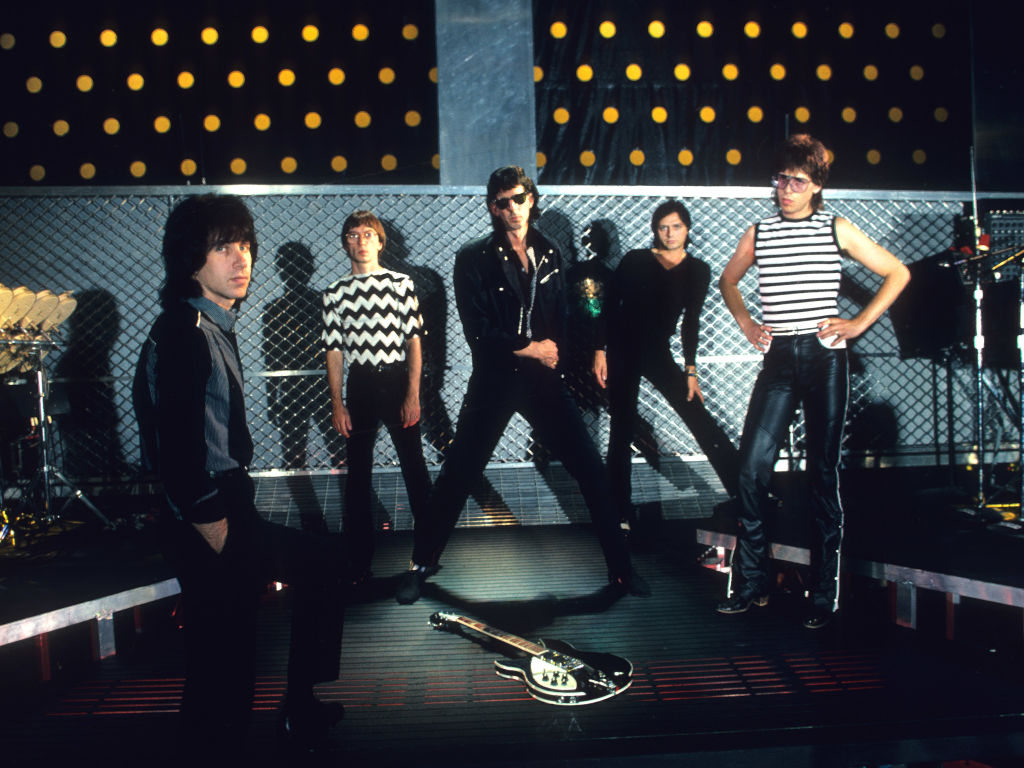
When The Cars began working on material for their 1978 debut, The Cars, songwriter Ric Ocasek was determined to push beyond conventional rock structures. Among the songs he brought into early rehearsals at Boston-area practice spaces was ‘Moving in Stereo,’ a brooding, minimalist track built less around a traditional chorus and more around mood and repetition.
Ocasek wrote the song with a hypnotic pulse in mind. Instead of a standard verse-chorus-verse format, he structured it as a slow burn, allowing tension to build gradually. The repeated lyric “Life’s the same, I’m moving in stereo” was intentionally sparse and ambiguous, reinforcing the detached, almost voyeuristic tone of the song. Ocasek has said he was fascinated by image and perception, and the lyrics reflect that interest—focusing on an almost surreal, idealized female figure seen through a lens of fantasy and distance.


During rehearsals, bassist and co-lead vocalist Benjamin Orr helped shape the song’s feel. His steady, driving bass line became the backbone of the track, locking in tightly with drummer David Robinson. Keyboardist Greg Hawkes layered in synthesizer textures that gave the song its otherworldly atmosphere, while guitarist Elliot Easton added subtle, restrained lines rather than flashy solos—an intentional choice to preserve the mood.
Recording took place at AIR Studios in London with producer Roy Thomas Baker, known for his meticulous, multi-layered approach from his work with Queen. Baker emphasized space and sonic clarity, allowing the rhythm section to breathe while carefully stacking keyboard tracks to create depth. The production leaned into stereo separation effects, enhancing the immersive quality suggested by the title.
Though never released as a single, ‘Moving in Stereo’ became iconic after its use in the 1982 film Fast Times at Ridgemont High, particularly the memorable scene featuring Phoebe Cates. Today, the song stands as a testament to The Cars’ innovative writing and studio craftsmanship—proof that atmosphere and restraint can be just as powerful as a radio-ready hook.


