The Awesome That is “Layla”
“Layla” isn’t just one of the greatest rock songs ever recorded. It’s a full-band masterpiece born from emotional chaos. When Derek and the Dominos cut it in 1970, this wasn’t Eric Clapton standing alone in the spotlight. This was lightning captured by every musician in the room and that’s why it still sounds dangerous more than 50 years later.
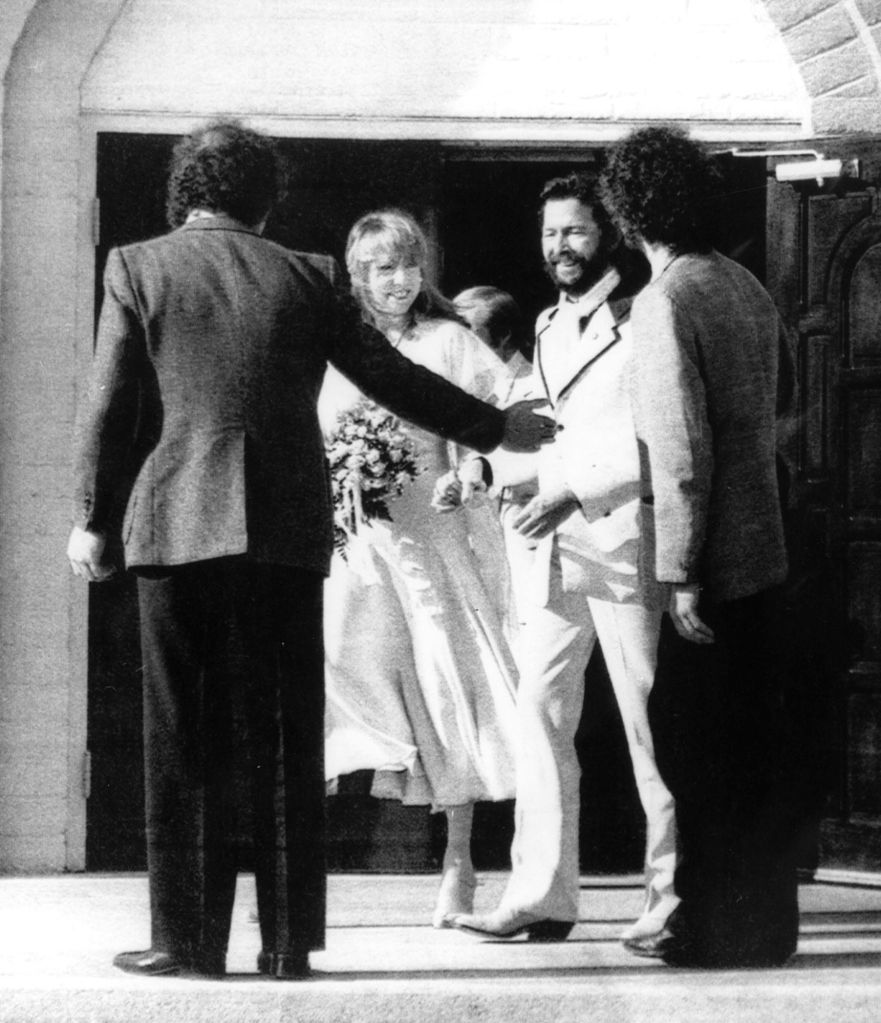
Clapton brought the heartbreak and the blueprint, obsessed with Pattie Boyd and unraveling in real time. His snarling rhythm guitar and wounded vocal give “Layla” its spine, but the song doesn’t explode without Duane Allman, whose arrival turned it into something mythical. Allman’s slide guitar weaves around Clapton like a second voice, pleading, taunting and crying. The opening riff may grab you, but it’s Duane’s lines that elevate the song from personal drama to full-blown legend. He doesn’t just solo; he converses with Clapton, pushing the emotion higher with every pass.


Then there’s the rhythm section, often overlooked, never replaceable. Carl Radle’s bass anchors the madness, keeping the song from flying apart while still letting it breathe. Jim Gordon’s drumming is muscular but controlled, driving the first half like a man running downhill with no brakes. Gordon is also responsible for one of the most unforgettable moments in rock history: that piano coda. Lifted from a melody he’d been working on, it transforms “Layla” from a desperate plea into quiet reflection. The shift is shocking, beautiful and brave.
Bobby Whitlock’s keyboards and backing vocals add gospel warmth and emotional depth. His harmonies soften the edges just enough, giving the song soul without sanding off its pain. Every voice, every note feels like it belongs in the same emotional storm.
What makes “Layla” eternal is how all these elements collide. It’s not polished. It’s not clean. It’s a group of gifted musicians playing like their lives depend on it. The first half screams obsession and longing; the second half exhales regret and acceptance. Very few bands ever captured that kind of emotional arc in a single track.
Decades later, “Layla” still works because it’s honest, human and collaborative. It’s proof that great rock isn’t built by one genius alone, it’s forged when the right musicians meet at the right moment and bleed onto tape together.

