ROCK MOMENT – Sting ‘Fortress Around Your Heart’
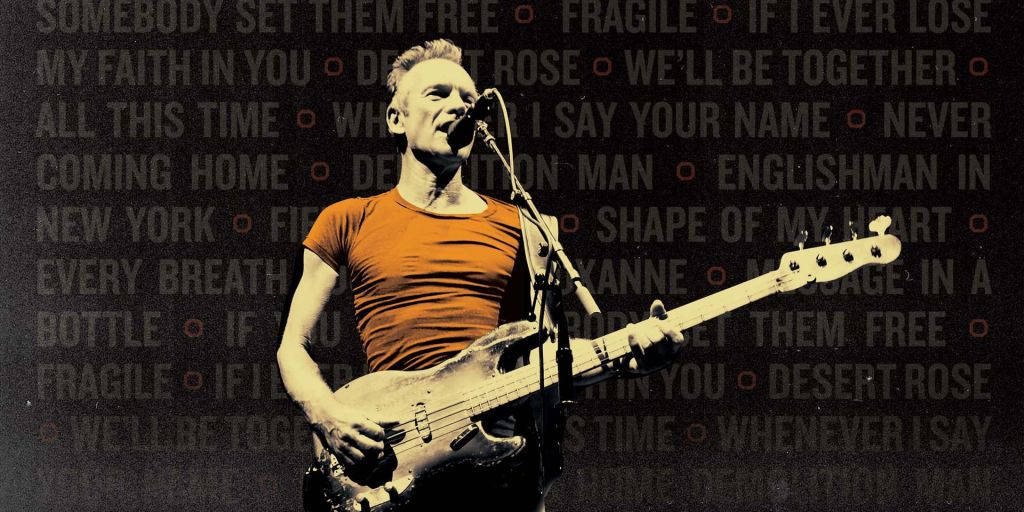
Sting’s ‘Fortress Around Your Heart’ stands as one of the most revealing and emotionally complex songs of his early solo career, rooted deeply in both musical experimentation and personal upheaval. Released in 1985 on his debut solo album The Dream of the Blue Turtles, the song marked a clear departure from the tightly wound new-wave sound of The Police and introduced listeners to a more introspective, jazz-influenced Sting.
The origins of ‘Fortress Around Your Heart’ stretch back to the final, fractious days of The Police. During the Ghost in the Machine sessions in 1981, Sting first demoed an early version of the song. At the time, the band attempted to record it under the working title “Emotional Crime,” but tensions within the group were high, and the track never fully gelled. Andy Summers and Stewart Copeland later admitted the song was difficult to pin down, both musically and emotionally, and it was ultimately shelved. In hindsight, its themes of separation and guarded hearts eerily mirrored the growing emotional distance between the band members themselves.
Lyrically, “Fortress Around Your Heart” is widely understood to reflect the breakdown of Sting’s first marriage to Frances Tomelty. The imagery of walls, battlements, and emotional defenses paints a picture of two people once connected, now isolated by hurt and mistrust. Sting has acknowledged that many songs from this period were deeply personal, capturing the confusion and guilt of a relationship falling apart.
The recording of ‘Fortress Around Your Heart’ was a key moment in shaping the sound and identity of The Dream of the Blue Turtles. After years of working within the rigid structure of The Police, Sting deliberately chose a looser, more collaborative studio environment. Much of the album, including ‘Fortress Around Your Heart,’ was recorded during sessions split between New York and the Caribbean, allowing for both precision and relaxed creativity. This setting helped Sting shed the tension that had marked the final Police recordings.
Sting assembled an all-star group of jazz musicians and encouraged them to bring their own instincts into the studio. Drummer Omar Hakim’s fluid, almost conversational playing replaced the sharp, aggressive rhythms associated with Stewart Copeland, giving the song a warmer, more elastic feel. Bassist Darryl Jones locked into subtle grooves rather than driving the song aggressively, while Kenny Kirkland’s keyboards added harmonic depth that reflected Sting’s growing interest in jazz theory. Branford Marsalis contributed tasteful saxophone lines that complemented the song’s emotional restraint rather than overpowering it.
Unlike the earlier Police demo, which struggled to find balance, this version benefited from Sting’s decision to record largely live with the band. The musicians played together in the studio, allowing the song’s dynamics to evolve naturally. Sting’s vocal performance was intentionally understated; instead of belting, he focused on phrasing and emotional nuance, reinforcing the theme of guarded vulnerability. Producer Sting himself—working with engineer Jim Scott—kept the arrangement clean and spacious, avoiding the dense layering common in mid-1980s pop.
This careful, jazz-informed recording process transformed ‘Fortress Around Your Heart’ from an unfinished Police outtake into one of Sting’s most enduring solo statements, proving that the song simply needed the right musical environment—and emotional distance—to fully come alive.
Upon release, the song became a major hit, reaching the Top 10 in several countries and helping establish Sting as a successful solo artist. More than just a chart success, ‘Fortress Around Your Heart’ endures as a poignant snapshot of transition—artistically, emotionally, and historically—marking the moment when Sting stepped fully into his own creative identity.


