ROCK MOMENT – Lynyrd Skynyrd ‘Saturday Night Special’
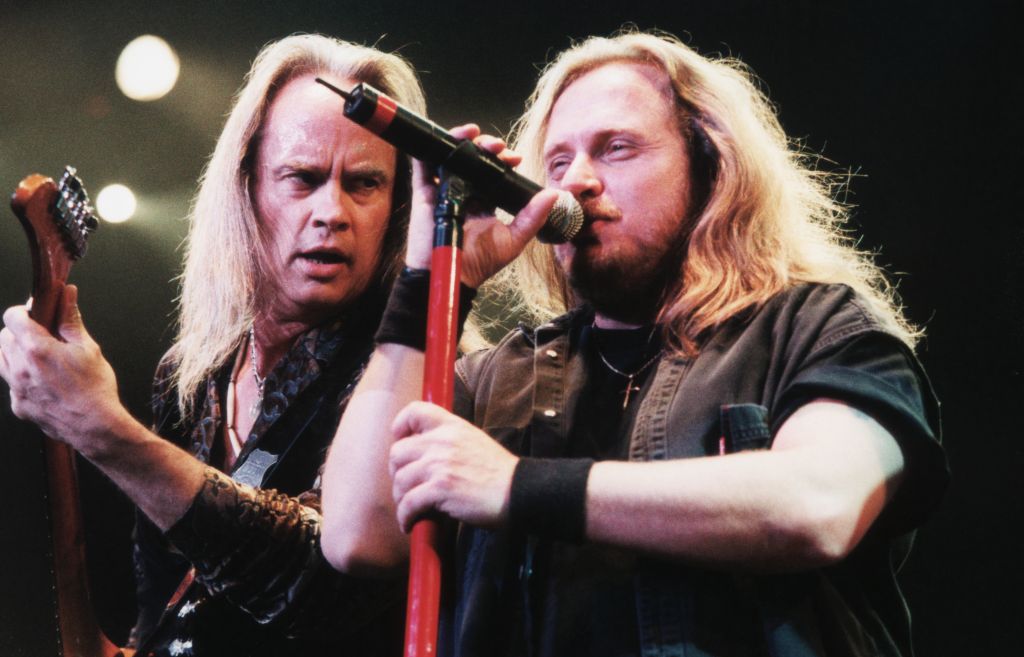
Lynyrd Skynyrd’s ‘Saturday Night Special’ is one of the band’s most forceful and socially charged recordings, emerging from a time when the group was pushing its sound—and its stamina—to the limit. The track appeared on the band’s 1975 album Nuthin’ Fancy, a record created under intense pressure. Skynyrd had exploded onto the national scene only two years earlier, and their label wanted another album fast. That demand meant the band entered the studio tired, road-worn, and carrying the tension that comes with constant touring.


Recording took place primarily at The Record Plant in Los Angeles and Webb IV Studios in Atlanta, with producer Al Kooper once again at the helm. Kooper had worked on the band’s first two albums, and although the relationship was becoming strained, he pushed the group hard. For “Saturday Night Special,” he encouraged a tighter, more aggressive arrangement to match Ronnie Van Zant’s biting lyrics about the danger and stupidity of impulsive violence fueled by cheap handguns.
Guitarist Ed King laid down the song’s signature riff—a fierce, descending pattern that gives the track its sense of urgency. Artimus Pyle, newly settling into his role after replacing Bob Burns, delivered a sharp, punchy drum performance that locked the song into one of the toughest grooves on the album. Van Zant recorded his vocals late at night, a habit he preferred because the sessions felt rawer and more emotionally charged. His delivery on this track is particularly rough-edged, matching the seriousness of the theme.
Nuthin’ Fancy as a whole came together quickly, almost too quickly for the band’s liking. Internal friction, heavy partying, and burnout made the sessions chaotic, and the album marked the beginning of Ed King’s exit from the group. Yet out of that chaos came a standout track with a message Skynyrd didn’t often highlight so directly. ‘Saturday Night Special’ wasn’t just another hard-rock anthem—it was a warning.
Over time, the song has been recognized not only for its tight musicianship but also for its courage. In a genre often associated with gun culture, Skynyrd used their platform to call out the recklessness surrounding it. And the gritty energy forged during those turbulent recording sessions is exactly what gives the song its enduring power.

